
MITR

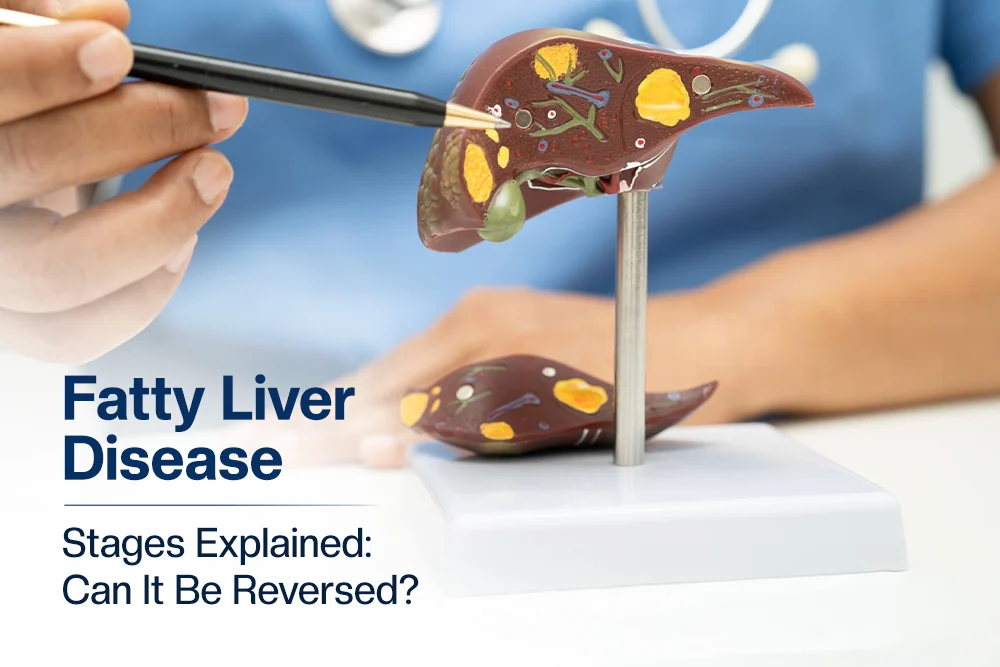
Fatty Liver Disease Stages Explained: Can It Be Reversed?

July 8, 202610 min readGastroenterologyUpdated Oct 13, 2026
Fatty Liver Disease Stages Explained: Can It Be Reversed?
Written byMITR Hospital Editorial Team
Dr. Amit Gharat Medically ReviewedDr. Amit GharatGastroenterologist
Published: Updated: Read time: 10 min read

Fatty liver disease has become increasingly common due to various lifestyle factors such as food choices, obesity, diabetes, and physical inactivity. The body creates fat in the liver. Excess fatty substances in the liver can be harmful for health. Hence keeping this in check is very important. Excess fat in the liver can have serious consequences on health. But neglecting this matter may lead you to more trouble.

It is important to understand the fatty liver disease stages​, as early diagnosis and treatment can help prevent the disease. In many cases, adopting healthy lifestyle changes may help reduce liver fat and improve liver health.

  • What is fatty liver disease?
  • The different fatty liver disease stages
  • Symptoms associated with each stage
  • Whether fatty liver disease can be reversed
  • Risk factors and complications
  • Ways to manage and improve liver health
  • When to seek medical advice
  • Final Recommendations

What is Fatty Liver Disease?

Fatty liver occurs when there is excessive accumulation of fat in the liver. The liver is known to store only a small amount of fat. Fatty liver occurs when the fatty tissue exceeds 5-10% of the liver’s weight.

Fatty liver is divided into two  types based on the etiology:

  1. Alcoholic Liver Disease (ALD): When your body breaks down alcohol, it creates toxins that speed up fat buildup in the liver.
  2. Metabolically Dysfunctional-Associated Steatotic Liver Disease (MASLD): Metabolic Dysfunction-Associated Steatotic Liver Disease (MASLD), previously known as Non-Alcoholic Fatty Liver Disease (NAFLD), occurs in people who consume little or no alcohol and is strongly associated with obesity, insulin resistance, and type 2 diabetes.

When fat builds up, it impairs the liver’s ability to filter metabolic waste. If left unmanaged, the tissue transitions from simple fat build-up to severe structural scarring.

The Different Fatty Liver Disease Stages

The Different Fatty Liver Disease Stages

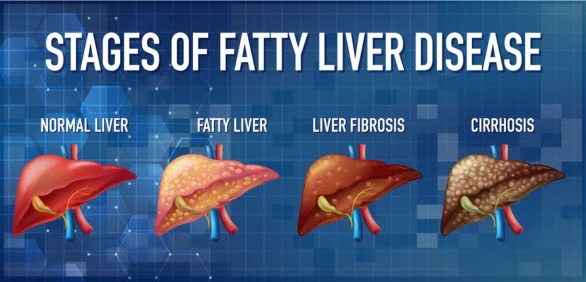
Liver damage has four stages. As it progresses, healthy tissue gets replaced by scar tissue, lowering the liver’s function.

Stage 1: Simple Steatosis

This is stage 1 fatty liver disease, where liver cells store extra fat, but there’s no inflammation or damage. The liver continues to function normally in this stage. It’s usually found during routine health checks or imaging tests. 

Stage 2: Non-Alcoholic Steatohepatitis (NASH)

Stage 2 involves inflammation and liver cell injury, commonly referred to as steatohepatitis (previously called NASH in non-alcohol-related cases). Liver becomes inflamed causing cellular injury and damaging the liver cells. This is a progressive disease which damages the liver completely over time. Even if your symptoms are mild or haven’t appeared yet, constant inflammation boosts your risk of serious liver damage down the road, so it’s important to stay healthy.

Stage 3: Fibrosis

When the liver tries to recover from the inflamed stage, there is increased production of collagen which leads to excessive scar formation and fibrosis. The fibrotic liver compresses the blood flow further worsening the function of the liver. This creates tough areas in the liver, making things worse. Although the organ keeps working, the scars block blood flow and gradually make it less effective.

Stage 4: Cirrhosis

Cirrhosis is an advanced stage of liver disease in which permanent scarring reduces liver function, restricts blood flow, and impairs the processing of nutrients, medications, and toxins, increasing the risk of liver failure and other serious complications.
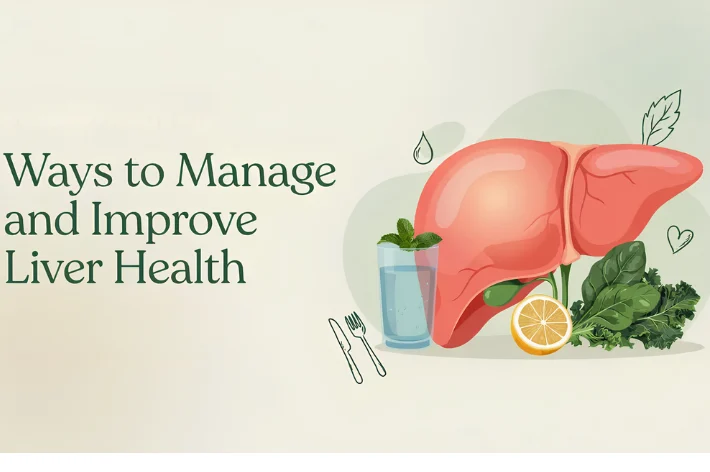
Table: Overview of Fatty Liver Disease Stages

Stage Description Can It Be Reversed?
Stage 1Simple fatty liver with fat accumulationUsually reversible
Stage 2Inflammation begins in the liverOften reversible with treatment
Stage 3Significant scarring (fibrosis) developsPartially reversible in some cases
Stage 4Advanced cirrhosis and severe liver damageUsually irreversible

Can Fatty Liver Disease Be Reversed?

The response varies depending on when a person is diagnosed with fatty liver disease.

  • Reversibility of Stages 1 and 2

If you keep your fat intake low and minimize inflammation, Stage 1 and 2 fatty liver won’t permanently damage the liver. Fortunately, the liver is resilient and can usually heal itself. A healthy diet and regular exercise can once again be beneficial and are likely to improve your well-being.

  • Reversibility of Stage 3

Early fibrosis may improve with appropriate treatment and lifestyle modification, although reversal becomes more difficult as scarring progresses. Early-stage scar tissue may be reversed by addressing inflammation. The treatments implemented aim to preserve the pathological liver areas and halt further damage.

  • Reversibility of Stage 4 (Cirrhosis)

Stage 4 cirrhosis is irreversible. The goal of treatment is to manage symptoms while protecting any remaining liver function and avoiding complications. This also includes consideration for transplant.

Fatty liver disease may be reversible at an early stage. It can be treated by making healthy choices, such as eating a healthy diet, engaging in regular physical activity, staying physically fit, and reducing alcohol consumption.

The chances of reversal depend on the extent of liver damage. Early stages can be reversed, whereas later stages, which involve considerable damage, cannot be reversed but can only be managed. Maintaining liver health requires regular medical examinations and adherence to medical advice.

Risk Factors and Complications

Primary Risk Factors

A number of things can cause inflammatory changes in the liver and non-alcoholic fatty liver disease.

  1. Insulin Resistance and Type 2 Diabetes: Insulin resistance and type 2 diabetes increase the accumulation of fat in the liver and are among the leading risk factors for fatty liver disease.
  2. Metabolic Syndrome: A number of syndromes, like abdominal obesity, elevated blood pressure, elevated triglycerides, decreased HDL cholesterol, cause fatty liver.
  3. Unhealthy Lifestyles: Unhealthy lifestyles like consuming a lot of processed foods, sugary beverages, saturated fats, and fructose all cause even more fatty liver.
  4. Sedentary Behavior: A sedentary lifestyle means not enough physical activity to burn enough calories. Increased hepatic fatty deposits will severely affect your health.

Potential Complications

If not treated, fatty liver disease gets worse and causes major issues. Advanced scarring can obstruct blood flow through the liver, leading to increased pressure in the portal vein (portal hypertension). This raises the risk of internal bleeding. 

  1. Ascites: Fluid might build up in the belly because of severe liver damage – that’s called ascites.
  2. Hepatic Encephalopathy: Toxins building up in the blood from hepatic encephalopathy can confuse and cloud your memory. 
  3. Liver Cancer: For liver cancer, long-term liver inflammation and scarring greatly increase your risk of getting it, so both are serious.

Ways to Manage and Improve Liver Health

Ways to Manage and Improve Liver Health

    1. Lifestyle Changes to Support Liver Health

With few medical approvals for fat reduction, lifestyle tweaks remain the most effective way to boost liver health. So, focus on living right remains key.

     2. Achieve Gradual Weight Loss

Losing excess weight can significantly reduce liver fat. Dropping 5 to 7% of your body weight reduces fat build-up, and further weight loss helps ease inflammation, too. Go for steady, sustainable weight loss, not quick fixes that lead to crash dieting.

     3. Follow a Mediterranean-Style Diet

Focus on whole, nutritious foods like veggies, fruit, whole grains, nuts, seeds, fish, and lean protein. Use olive oil as a primary fat source. Limit sugary drinks, refined carbohydrates, processed foods, and foods high in added sugars.

     4. Exercise Regularly

Regular physical activity boosts insulin sensitivity and cuts down liver fat. Try to get 150 minutes of moderate aerobic exercise weekly, along with some strength training 2 to 3 times a week.

       5. Avoid Alcohol

People with fatty liver disease should skip drinking alcohol. It stresses the liver and can speed up liver damage, so keeping alcohol off the list helps preserve liver health and stops the disease from getting worse.

When to Seek Medical Advice

Even though early fatty liver disease  usually doesn’t cause many symptoms, it’s crucial to get regular check-ups. See a doctor if you’ve:

  • Type 2 diabetes or prediabetes. 
  • Persistent fatigue or discomfort in the upper right abdomen. 
  • Elevated liver enzymes (ALT or AST) on routine blood tests. 

If you have severe symptoms, such as yellow skin or eyes, a swollen abdomen or legs, or sudden confusion, get help right away. Tests such as ultrasound, blood tests, and FibroScan can detect liver disease early and show how far it’s progressed. It lets doctors make a plan to slow, stop, or reverse liver damage before it permanently harms the body, too.

Conclusion

Fatty liver disease may progress over time. Early diagnosis is key to avoiding complications and boosting liver health, which prevent issues and promotes wellness. Catching it early helps a lot. You can lower liver fat and boost recovery through diet, exercise, and staying at a healthy weight.

At MITR Hospital, patients can access comprehensive evaluation and management for liver-related conditions through experienced gastroenterologists and advanced diagnostic facilities. Early assessment and timely intervention can help prevent disease progression and support long-term liver health.

FAQs About Fatty Liver Disease Stages Explained

Fatty liver disease progresses through four stages: Stage 1 (Simple Steatosis), Stage 2 (Steatohepatitis), Stage 3 (Fibrosis), and Stage 4 (Cirrhosis). Each stage represents increasing liver damage, making early diagnosis and treatment essential.

Yes, fatty liver disease can often be reversed in its early stages, especially Stage 1 and Stage 2, through weight loss, a healthy diet, regular exercise, and avoiding alcohol. Advanced stages are more difficult to reverse.

Many people with early fatty liver disease have no symptoms. As the condition progresses, symptoms may include fatigue, pain or discomfort in the upper right abdomen, weakness, unexplained weight loss, jaundice, and swelling of the abdomen or legs.


Fatty liver disease can result from excessive alcohol consumption (Alcohol-Associated Liver Disease) or metabolic conditions such as obesity, insulin resistance, type 2 diabetes, high cholesterol, and poor dietary habits (MASLD).

Stage 4 (Cirrhosis) is the most serious stage because the liver has extensive permanent scarring, increasing the risk of liver failure, portal hypertension, and liver cancer.

Doctors diagnose fatty liver disease using a combination of medical history, physical examination, blood tests, liver function tests, ultrasound, FibroScan, CT scan, MRI, and, in some cases, a liver biopsy.

The time varies depending on the severity of the condition and lifestyle changes. Some people may see improvements in liver fat within a few months of following a healthy diet, exercising regularly, and maintaining a healthy weight.

People with fatty liver disease should limit sugary drinks, refined carbohydrates, processed foods, fried foods, saturated fats, trans fats, and alcohol. A Mediterranean-style diet is often recommended to support liver health.

Early fibrosis may improve if the underlying cause is treated and healthy lifestyle changes are maintained. However, extensive fibrosis is more difficult to reverse, making early intervention important.

You should consult a doctor if you have risk factors such as obesity, type 2 diabetes, or high cholesterol, or if you experience persistent fatigue, abdominal discomfort, abnormal liver enzyme levels, jaundice, or swelling in the abdomen or legs. Early evaluation can help prevent disease progression.


Was this Blog helpful?

Share this articleFacebookXLinkedInWhatsApp

Have a question about this condition?

Speak to a MITR specialist and get a clear, personalised plan.

Book an appointment

Related Articles