
MITR

Common Digestive Disorders Treated Through Gastroenterologist in Navi Mumbai

August 10, 20268 min readGastroenterologyUpdated Oct 13, 2026
Common Digestive Disorders Treated Through Gastroenterologist in Navi Mumbai
Written byMITR Hospital Editorial Team
Dr. Amit Gharat Medically ReviewedDr. Amit GharatGastroenterologist
Published: Updated: Read time: 8 min read

From persistent heartburn and abdominal pain to bloating, constipation, diarrhoea, or unexplained weight loss, these symptoms can affect your comfort, nutrition, and overall quality of life.

The good news is that many digestive conditions can be effectively managed when diagnosed early.

If you’re experiencing ongoing digestive symptoms, consulting an experienced gastroenterologist in Navi Mumbai can help identify the underlying cause and ensure you receive the right treatment. 

This guide covers some of the most common digestive disorders treated through gastroenterologist in Navi Mumbai, the symptoms to look out for, and when you should seek medical care.

  • Many digestive disorders share similar symptoms, making an accurate diagnosis essential before starting treatment.
  • Conditions such as acid reflux, IBS, fatty liver disease, and gallstones are among the most commonly treated digestive disorders.
  • Modern diagnostic procedures like endoscopy and colonoscopy help doctors identify digestive problems with greater accuracy.
  • Early diagnosis and timely treatment can help prevent complications and improve long-term digestive health.
  • If digestive symptoms persist for more than a few weeks or keep recurring, consult a gastroenterologist for a proper evaluation.

Common Digestive Disorders Treated by a Gastroenterologist in Navi Mumbai

The Digestive Disease Centre (DDC) at MITR Hospital provides comprehensive care for a wide range of digestive, liver, and biliary disorders. Whether it’s persistent acidity, IBS, fatty liver disease, or gallstones, the team combines medical gastroenterology, advanced diagnostics, and minimally invasive treatment to provide personalised care. Here are some of the most common digestive disorders treated at MITR Hospital. 

1. Gastroesophageal Reflux Disease (GERD)

Occasional acidity after a heavy meal is common. However, if you frequently experience heartburn, a sour taste in your mouth, or chest discomfort after eating, it could be Gastroesophageal Reflux Disease (GERD).

GERD occurs when stomach acid repeatedly flows back into the food pipe (oesophagus), irritating its lining. If left untreated, it can lead to inflammation and other complications.

Treatment usually includes dietary changes, medication, and further evaluation if symptoms persist. An Upper GI Endoscopy may be recommended to examine the oesophagus and stomach and identify the underlying cause.

2. Gastritis and Peptic Ulcers

Although often confused, gastritis and peptic ulcers are different conditions. Gastritis is inflammation of the stomach lining, while a peptic ulcer is an open sore that develops in the stomach or the upper part of the small intestine.

Common causes include H. pylori infection, frequent use of painkillers, smoking, and excessive alcohol consumption. Symptoms such as burning stomach pain, nausea, indigestion, or feeling full quickly should not be ignored.

Treatment depends on the cause and may include medicines, antibiotics, and, where needed, an upper GI endoscopy.

3. Irritable Bowel Syndrome (IBS)

IBS is a common condition that affects how the bowel functions. It does not permanently damage the intestine, but it can significantly affect day-to-day life.

Symptoms often include abdominal pain, bloating, excessive gas, constipation, diarrhoea, or alternating bowel habits. Because these symptoms can overlap with other digestive conditions, your gastroenterologist may recommend tests before confirming the diagnosis.

Treatment usually combines dietary changes, stress management, lifestyle modifications, and medication based on your symptoms.
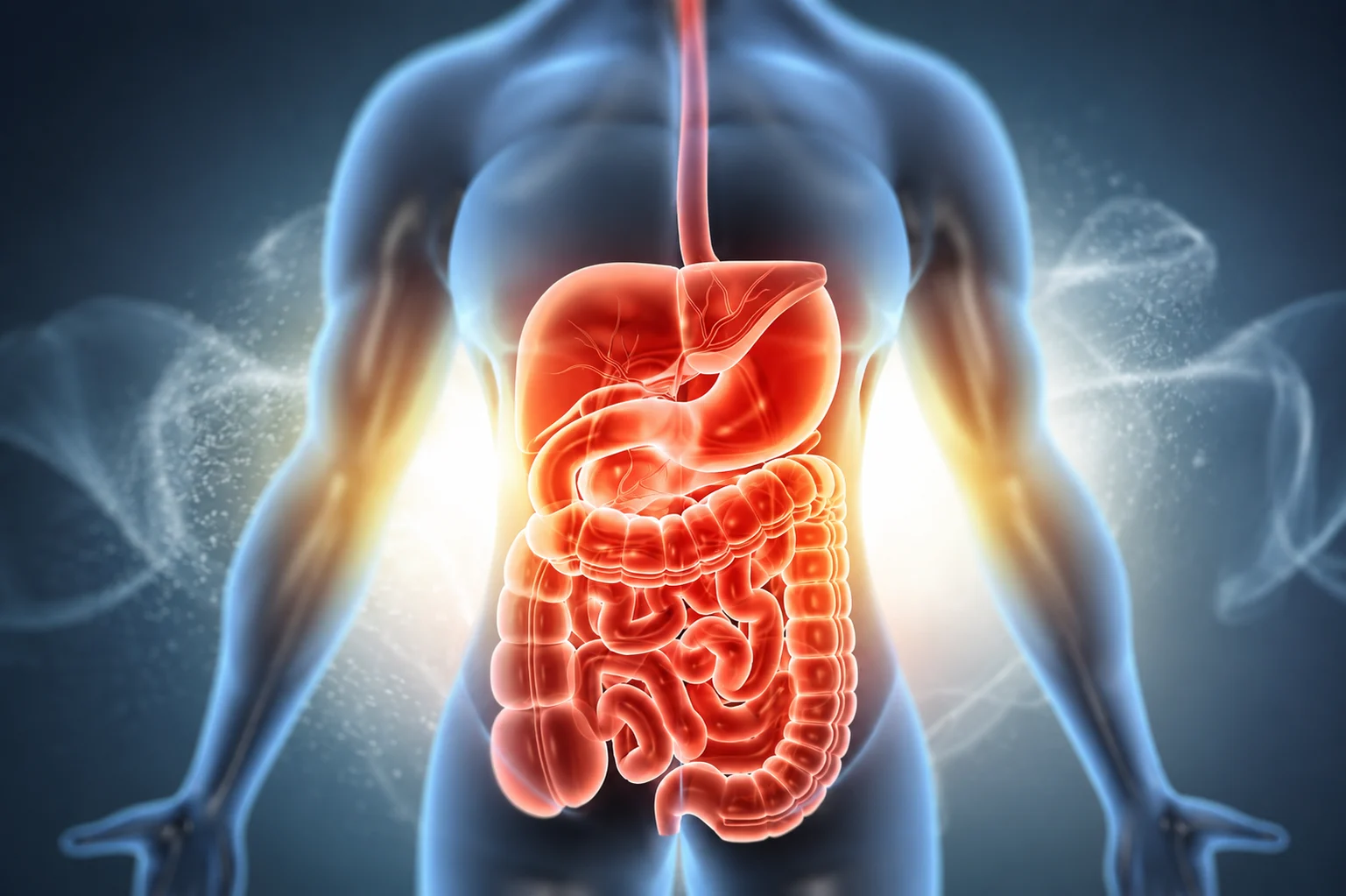
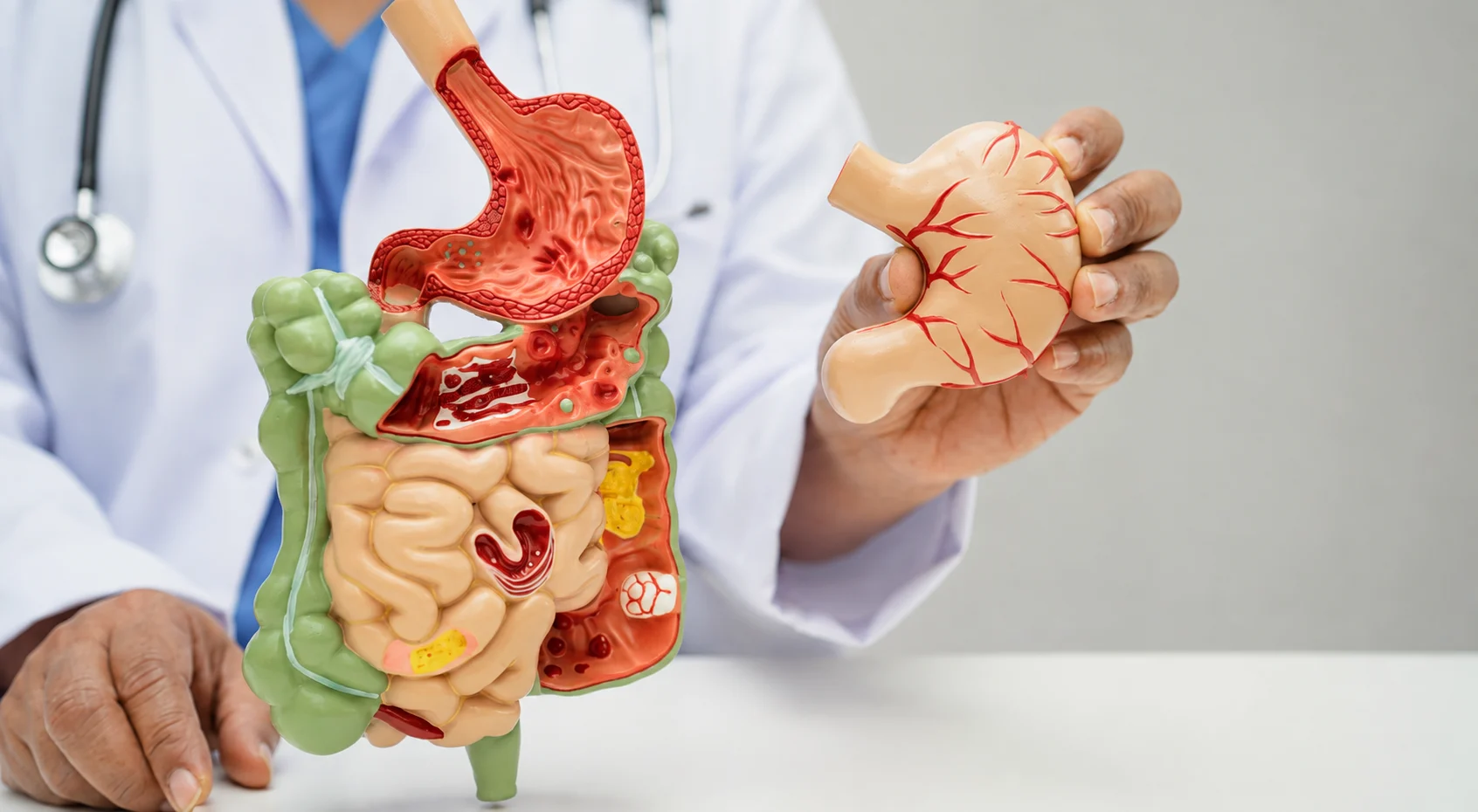
Inflammatory Bowel Disease (IBD) Gastroenterologist in Navi Mumbai

4. Inflammatory Bowel Disease (IBD)

Despite the similar name, Inflammatory Bowel Disease (IBD) is very different from IBS. It is a chronic condition that causes ongoing inflammation in the digestive tract and includes Crohn’s disease and Ulcerative Colitis.

Persistent diarrhoea, blood in the stool, abdominal pain, fatigue, and weight loss are common symptoms. Since IBD requires long-term management, early diagnosis is important to help control inflammation and prevent complications.

Patients with complex digestive conditions can benefit from coordinated care, where gastroenterologists and gastrointestinal surgeons work together to provide comprehensive treatment.

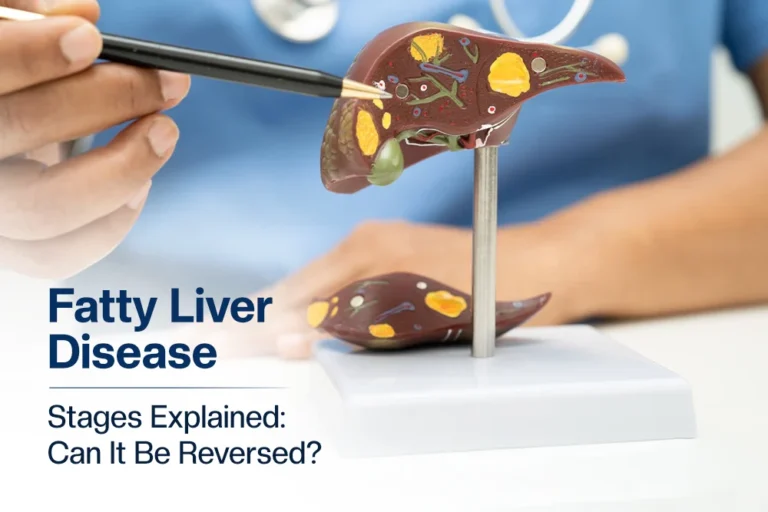
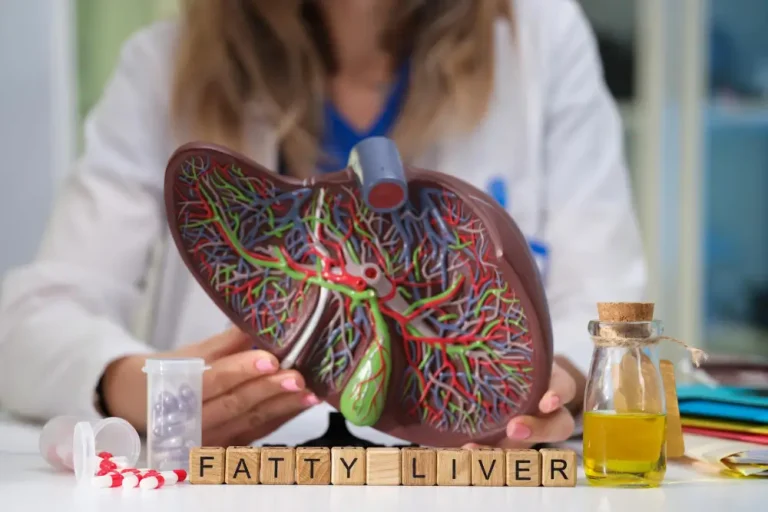
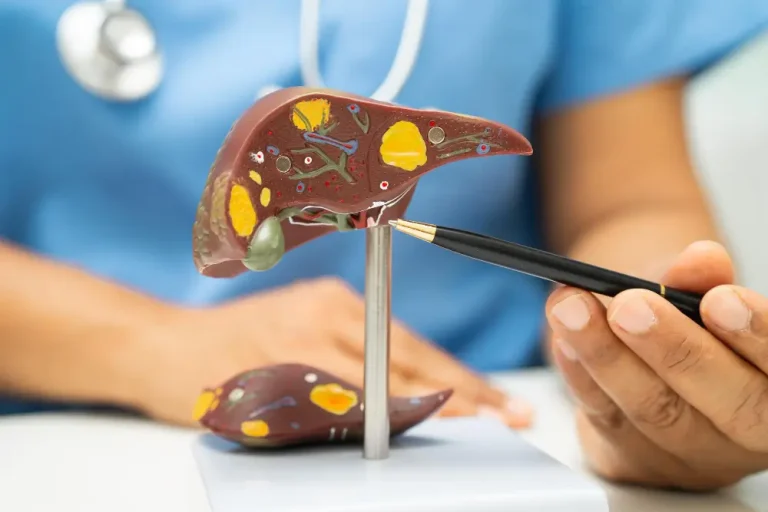
5. Fatty Liver Disease

Fatty liver disease occurs when excess fat builds up in the liver. It is becoming increasingly common due to obesity, diabetes, unhealthy eating habits, and a sedentary lifestyle. Many people do not experience symptoms in the early stages, making regular health check-ups important.

Treatment focuses on managing the underlying cause through weight loss, healthy eating, regular exercise, and control of conditions such as diabetes or high cholesterol.

6. Gallstones

Gallstones are hardened deposits that form inside the gallbladder. While they may not always cause symptoms, they can sometimes block the flow of bile, leading to severe abdominal pain, nausea, or vomiting.

For patients with symptoms, laparoscopic (keyhole) surgery is usually the preferred treatment. As part of its focus on minimally invasive care, MITR Hospital also offers robotic-assisted gallbladder surgery using the Versius robotic surgical system, expanding the treatment options available to suitable patients.

7. Pancreatitis

Pancreatitis is inflammation of the pancreas and can occur suddenly or develop over time. Gallstones, excessive alcohol consumption, high triglyceride levels, and certain medications are among the common causes.

Severe upper abdominal pain that spreads to the back, along with nausea, vomiting, or fever, should never be ignored. Prompt medical evaluation is important, as treatment depends on the severity of the condition and the underlying cause.

How Are Digestive Disorders Diagnosed?

Many digestive disorders produce similar symptoms, making it difficult to identify the exact cause based on symptoms alone. That’s why gastroenterologists often recommend diagnostic tests before starting treatment.

Depending on your symptoms, these may include:

  • Upper GI Endoscopy: Examines the oesophagus, stomach, and upper small intestine using a thin, flexible camera.
  • Colonoscopy: Evaluates the large intestine and rectum to detect inflammation, polyps, bleeding, or other abnormalities.
  • Blood tests: Help identify infections, inflammation, anaemia, or liver disease.
  • Ultrasound or CT scan: Used to assess the liver, gallbladder, pancreas, and other abdominal organs.

MITR Hospital’s Digestive Disease Centre provides access to advanced diagnostic facilities, including endoscopy and colonoscopy, allowing specialists to accurately diagnose a wide range of digestive disorders and plan the most appropriate treatment.

When Should You See a Gastroenterologist?

When Should You See a Gastroenterologist?

Gastroenterologist in Navi Mumbai

Occasional digestive discomfort is common, but symptoms that persist or keep returning should not be ignored.

It’s advisable to consult a gastroenterologist if you experience:

  • Frequent acidity or heartburn
  • Persistent abdominal pain
  • Difficulty swallowing
  • Ongoing bloating or indigestion
  • Chronic diarrhoea or constipation
  • Blood in your stool
  • Unexplained weight loss
  • Yellowing of the skin or eyes (jaundice)

Early medical evaluation can help identify the underlying cause before the condition becomes more serious.

Choosing the Right Care for Your Digestive Health

Digestive disorders can affect your daily routine, nutrition, and overall well-being, but many of these conditions can be effectively managed with timely diagnosis and the right treatment.

At MITR Hospital, patients have access to comprehensive digestive care through the Digestive Disease Centre, where medical gastroenterology, hepatology, advanced endoscopy, and minimally invasive gastrointestinal surgery come together under one roof. Led by experienced specialists such as Dr. Amit Gharat, the team focuses on identifying the underlying cause of digestive problems and creating personalised treatment plans that support long-term digestive health.

FAQs About Choosing Common Digestive Disorders Treated Through Gastroenterology in Navi Mumbai

You should consider seeing a gastroenterologist if digestive symptoms such as acidity, abdominal pain, bloating, constipation, diarrhoea, or difficulty swallowing persist for more than a few weeks or keep recurring despite medication or lifestyle changes.

Although they sound similar, they are different conditions. IBS (Irritable Bowel Syndrome) affects how the bowel functions but does not cause permanent damage to the intestine. IBD (Inflammatory Bowel Disease) causes chronic inflammation of the digestive tract and usually requires long-term medical treatment.

Upper GI endoscopy is usually performed under sedation, so most patients experience little to no discomfort during the procedure. It is commonly used to investigate persistent acidity, stomach pain, difficulty swallowing, or unexplained digestive symptoms.

In many cases, fatty liver disease can be managed and even reversed if detected early. Weight loss, a balanced diet, regular exercise, and proper management of diabetes or high cholesterol often play an important role in treatment.

No. Many digestive disorders are successfully managed with medicines, dietary changes, and lifestyle modifications. Surgery is usually recommended only when necessary, depending on the condition and its severity.

A gastroenterologist treats conditions such as GERD, gastritis, peptic ulcers, IBS, IBD, fatty liver disease, gallstones, pancreatitis, and other digestive, liver, and biliary disorders.

Depending on your symptoms, a gastroenterologist may recommend blood tests, upper GI endoscopy, colonoscopy, ultrasound, CT scans, or other diagnostic tests to identify the underlying condition.

Yes. A balanced diet, regular physical activity, adequate hydration, maintaining a healthy weight, limiting alcohol, and avoiding smoking can support better digestive health and help manage certain conditions.

Yes. Many digestive disorders can be managed with medicines, dietary changes, lifestyle modifications, and regular monitoring. Surgery is considered when conservative treatment is insufficient or when a condition requires a procedure.


Look for an experienced gastroenterologist who offers comprehensive digestive care, advanced diagnostic procedures, and personalised treatment based on your condition and symptoms.


Was this Blog helpful?

Share this articleFacebookXLinkedInWhatsApp

Have a question about this condition?

Speak to a MITR specialist and get a clear, personalised plan.

Book an appointment

Related Articles