The diagnosis and treatment of diseases affecting the spine, which includes the vertebrae, discs, nerves, and other tissues, is the focus of the medical speciality known as spine surgery. For those with spine-related problems, spine surgery aims to reduce pain, enhance function, and improve quality of life.
Common Spinal Conditions:
Herniated Disc: A condition where the soft inner core of a spinal disc pushes through the outer layer, causing pain and nerve compression.
Spinal Stenosis: Narrowing of the spinal canal, which can put pressure on the spinal cord or nerve roots, resulting in pain, weakness, and numbness.
Scoliosis: An abnormal curvature of the spine, which may require surgery if severe or progressive.
Degenerative Disc Disease: The natural ageing process can lead to the deterioration of spinal discs, causing pain and reduced mobility.
Spinal Fractures: Fractures of the vertebrae, often caused by trauma or osteoporosis.
Types of Spine Surgery:
Discectomy: Removal of a portion or the entire herniated disc to relieve pressure on nerves.
Laminectomy: Removal of the lamina (the bony arch on the posterior of the vertebra) to relieve spinal stenosis.
Spinal Fusion: Joining two or more vertebrae together to stabilise the spine, often used in cases of instability or deformity.
Artificial Disc Replacement: Replacing a damaged disc with an artificial one to preserve motion and reduce pain.
Minimally Invasive Surgery: Techniques that use smaller incisions and specialized instruments to minimize tissue damage and shorten recovery time.
Urology And Andrology
Hypospadia Surgery
Urology And Andrology
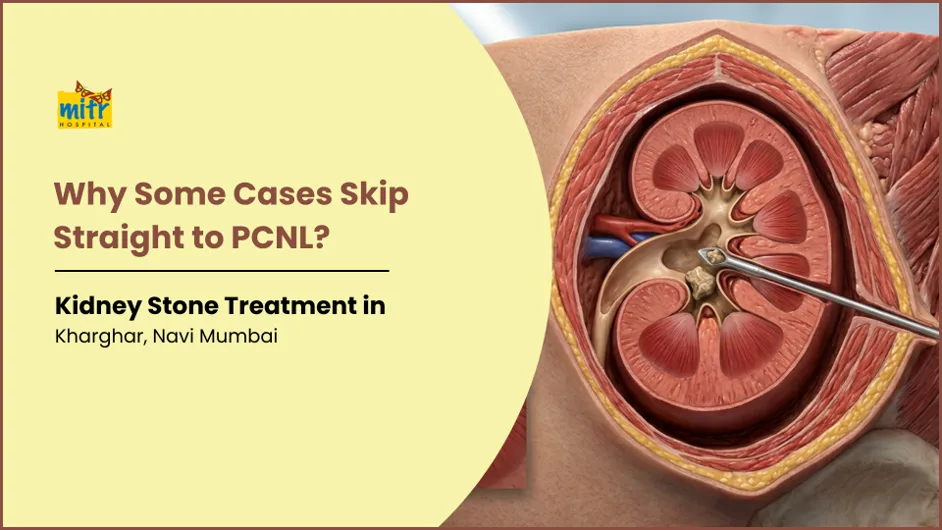
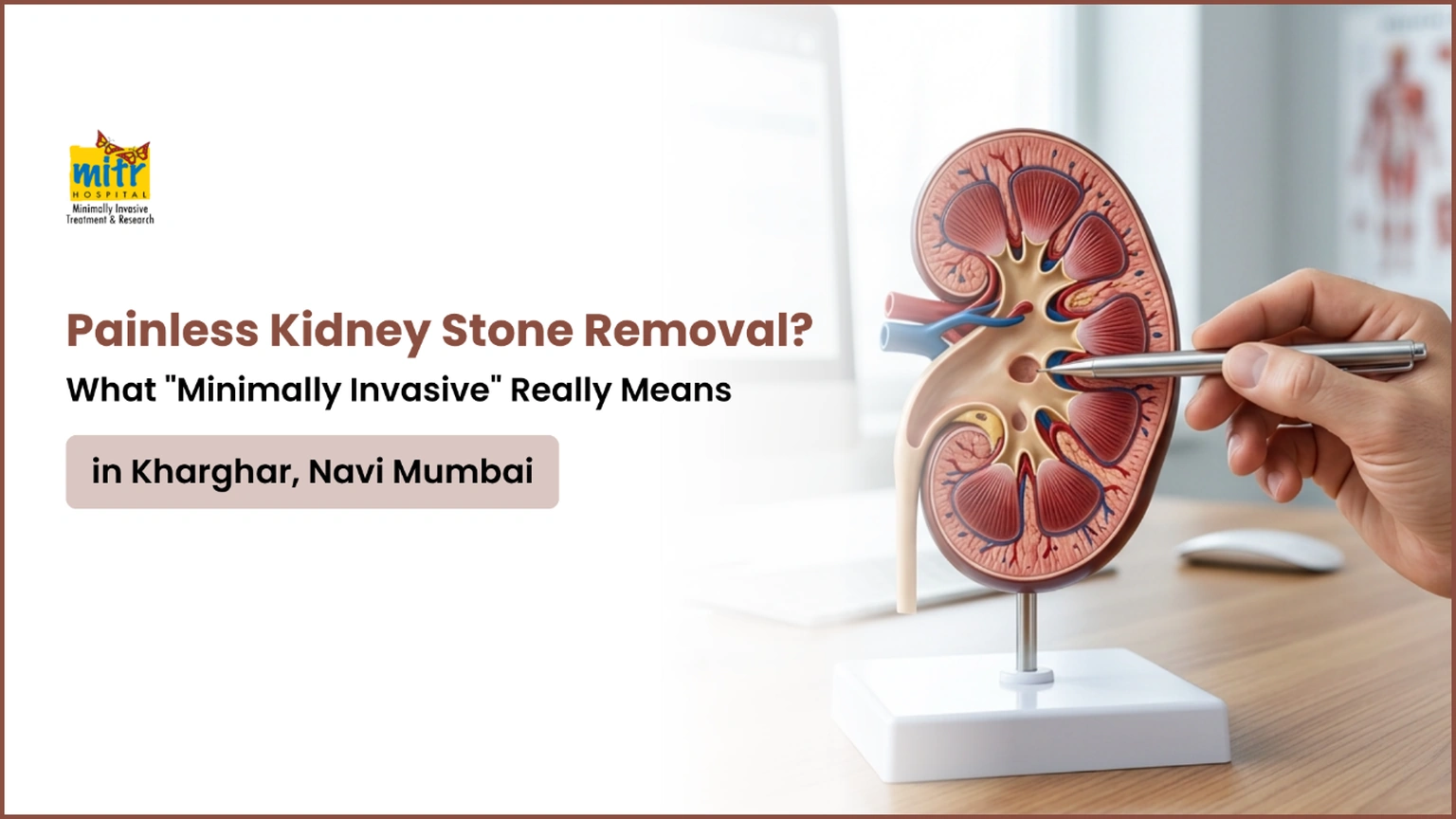
Kidney and Ureteral Stones: This is a condition in which a solid material is formed due to the presence of certain substances in higher proportion in urine. These can be extremely painful and can be found blocking the urine flow from kidneys to the urinary bladder. They are of various sizes and shapes; hence treatment is based on the aspects like- location of the stone, size, surface of stone and shape of stone.
Bladder stones: They are stones found in urinary bladder.
Urinary tract obstructions like PUJO (Pelvi-ureteric junction obstruction)
Urinary Tract Infections: any infection that occurs in the urinary system is called as urinary tract infection. This infection could affect the kidneys, ureters, bladder or urethra.
Urethral strictures
Urinary Incontinence: A medical condition that leads to no control over the bladder.
Neurogenic Bladder: The urinary bladder has nerves and muscles that work in synchronisation to allow urination to occur. But in cases of nerve injury due to an illness or trauma, the nerve endings to the bladder are damaged as well which hamper normal urination. Due to this miscommunication between the nerves and muscles of the bladder occur resulting in improper emptying of the bladder.
Benign Prostatic Hyperplasia (BPH): Prostate is a gland present in males that is necessary for reproductive functioning. Usually in men this gland tends to grow in size. This enlarged growth of prostate is called as benign prostatic hyperplasia which affects the quality of life for them. It leads to displeasing symptoms like poor flow of urine or difficulty in urine leading to pain or incontinence.
Hematuria: It is a condition in which blood is present in urine. It can arise in cases of infection, any trauma to the urinary system and due to certain viruses.
Erectile Dysfunction: A sexual dysfunction that leads to the inability to maintain an erection of penis during sexual activity.
Prostatitis: Infection of the prostate gland is called as prostatitis.
Vasectomy Reversal
Interstitial Cystitis: Interstitial cystitis is also called as bladder pain syndrome. It is a chronic inflammatory condition of the muscular layers of the bladder. The exact cause of Interstitial cystitis is not known as of yet
Voiding Dysfunction
Female Urology
Prostate Cancer: Prostate gland is an essential part of a male reproductive system. It secretes an alkaline fluid that is part of the seminal fluid. This gland is around the urethra and still
Kidney Cancer: Kidney cancer usually occurs only in one kidney but it can affect both too. Surgery is carried out to remove a part of the kidney that has the tumor or in certain cases the whole kidney might need resection.
Testicular Cancer: Cancer of testicles could either occur in either one or in both. Testicles are part of the male reproductive system that are necessary for production of male hormones and sperms. If detected early, it is treatable.
Bladder Cancer: Bladder cancer is cancer of the urinary bladder. If caught in time it can be treated easily.
Low Testosterone
Hypospadia Surgery
Endo-urology:
1. Laser Stone surgery
2. Extracorporeal Shock-Wave Lithotripsy (ESWL) for Kidney and ureteral stones
3. Percutaneous Nephro-lithotomy (PCNL)- Treatment of large kidney stones (> 2 cm)
4. Treatment of calyceal diverticula
5. Ureteropyeloscopy /Ureterorenoscopy (URS)
6. Treatment of ureteral and kidney stones
7. Visual Internal urethrotomy (VIU) for urethral strictures
8. Percutaneous Cysto-Lithotripsy for bladder Stones
9. Cystoscopy and DJ Stenting
10. Cystoscopy and RGP
11. Cystoscopy and Biopsy
12. Transurethral resection of bladder tumour (TURBT)
13. Transurethral resection of Prostate (TURP)
14. Bladder neck incision
Laparoscopic surgery in Urology
1. Laparoscopic Nephrectomy
2. Laparoscopic Nephroureterectom
3. Laparoscopic adrenalectomy
4. Laparoscopic pyeloplast
5. Laparoscopic kidney biopsy
6. Laparoscopic drainage of renal cysts
7. Laparoscopic ureterolithotomy for ureteric stones
Orchiopexy for testicular torsion
Ureteric re-implantation
Pyeloplasty
Sling surgeries for incontinence in Females like TVTO