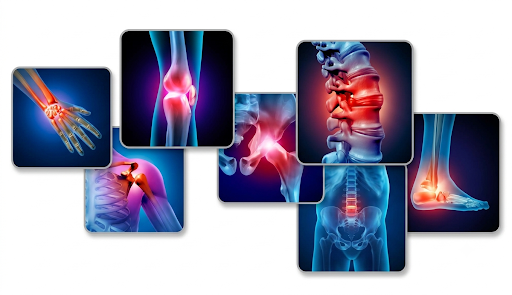
Joint pain is a common complaint, but having pain in a joint does not necessarily mean you have arthritis. Joint pain is a symptom that can have several causes, while arthritis refers to a group of conditions that affect the joints.
Table of Contents
The difference is important because the cause, duration and pattern of your symptoms can help determine whether the pain is temporary or linked to an underlying joint condition.
Joint pain is a symptom, not a diagnosis. It can occur after an injury, physical activity, overuse or temporary inflammation. It may affect one joint and improve as the underlying problem settles.
Arthritis, on the other hand, refers to a group of conditions that affect the joints. Different types of arthritis can cause inflammation, cartilage changes, joint damage, pain and stiffness.
This means you can have joint pain without having arthritis. At the same time, arthritis can be one of the reasons why a person develops ongoing joint pain.
Joint pain can occur for different reasons. Some common causes include:
Pain that starts after a particular activity or injury may improve with rest and basic care. However, pain that persists, returns frequently or gradually becomes worse may need further assessment.
The pattern of symptoms can provide useful clues.
Joint pain caused by a minor injury or overuse may appear suddenly and improve over days or weeks.
Arthritis-related symptoms tend to persist or recur. Depending on the type of arthritis, pain and stiffness may gradually become more troublesome and may also occur when the joint is at rest.
Stiffness is another important symptom to consider. Arthritis can cause stiffness after periods of rest, making the joint feel tight or difficult to move.
The duration and pattern of stiffness can vary between different types of arthritis, so stiffness alone cannot confirm a diagnosis.
Some forms of arthritis can cause swelling, warmth and tenderness around the affected joint. Over time, certain types of arthritis may also lead to reduced movement or structural changes within the joint.
Joint pain caused by a minor strain or temporary irritation may not have these features.
The number and location of affected joints can also provide clues. Some types of arthritis may affect several joints, while other causes of joint pain may be limited to one area.
The pattern can vary depending on the underlying condition, which is why a medical assessment is important.
Arthritis is a broad term for conditions that cause inflammation or other changes in the joints, leading to symptoms such as pain, stiffness, swelling and reduced movement. There are many types of arthritis, and they can affect the joints in different ways.
Doctors do not diagnose arthritis based on joint pain alone. They usually consider your symptoms, medical history and how the affected joint behaves.
A physical examination may assess:
Depending on your symptoms, your doctor may also recommend imaging such as an X-ray, MRI or ultrasound. Blood tests may be used in some cases to look for signs of inflammation or autoimmune conditions.
The aim is to identify the cause of the symptoms before deciding on treatment.
Joint pain after unusual activity or a minor strain may improve with rest. However, it is worth seeking medical advice if the pain:
Early assessment by an Orthopedic doctor can help identify whether the pain is related to arthritis or another condition requiring treatment.
Joint pain does not automatically mean arthritis. The important question is what is causing the pain and whether the symptoms are improving or progressing.
If joint pain persists, keeps returning or begins to affect movement, an orthopedic assessment can help identify the underlying problem and guide appropriate arthritis treatment.
The Department of orthopedics & Joint Replacement at MITR Hospital in Kharghar provides orthopedic care for joint conditions, with treatment options ranging from conservative management and physiotherapy to arthroscopic procedures and joint replacement, including robotic-assisted knee replacement for selected patients.
Follow along to learn more
Joint pain may be related to arthritis if it persists, returns frequently or occurs with stiffness, swelling, tenderness or reduced movement. However, these symptoms can have other causes. A doctor may use a physical examination, imaging or blood tests to determine the underlying condition.
Yes, many people live active lives with arthritis when symptoms are appropriately managed. Treatment may include medicines, physiotherapy, regular physical activity and lifestyle changes. The approach depends on the type of arthritis, affected joints and severity of symptoms.
Arthritis treatment depends on its type, severity and the joints affected. Options may include medicines, physiotherapy, exercise, lifestyle changes and injections. In cases involving significant joint damage or persistent symptoms, procedures such as arthroscopy or joint replacement may be considered.
Gentle exercise, maintaining a healthy weight and applying heat or cold may help manage arthritis symptoms. Avoiding activities that worsen pain can also be useful. However, home measures should not replace medical evaluation when pain persists, worsens or affects daily activities.
Some types of arthritis may become more troublesome over time, potentially causing increasing pain, stiffness, reduced movement or joint damage. However, progression varies depending on the type of arthritis and individual factors. Early diagnosis and appropriate management can help control symptoms and protect joint function.
The effects of untreated arthritis depend on its type. Some forms may lead to persistent pain, stiffness, reduced movement or joint damage. Certain inflammatory types may also affect other parts of the body. Seeking medical advice can help identify the condition and determine appropriate treatment.
Timing (Mon to Sat) : 12.00 Noon to 1.00 PM and 6.30 PM to 8.00 PM