
Medically ReviewedDr. G. BharatkumarOrthopaedic & Joint replacement Surgeon
Medically ReviewedDr. G. BharatkumarDr. G. Bharatkumar is Director and Head of Orthopaedics at MITR Hospital, Kharghar, Navi Mumbai, with over 15 years of experience in robotic-assisted knee replacement and joint replacement surgery.
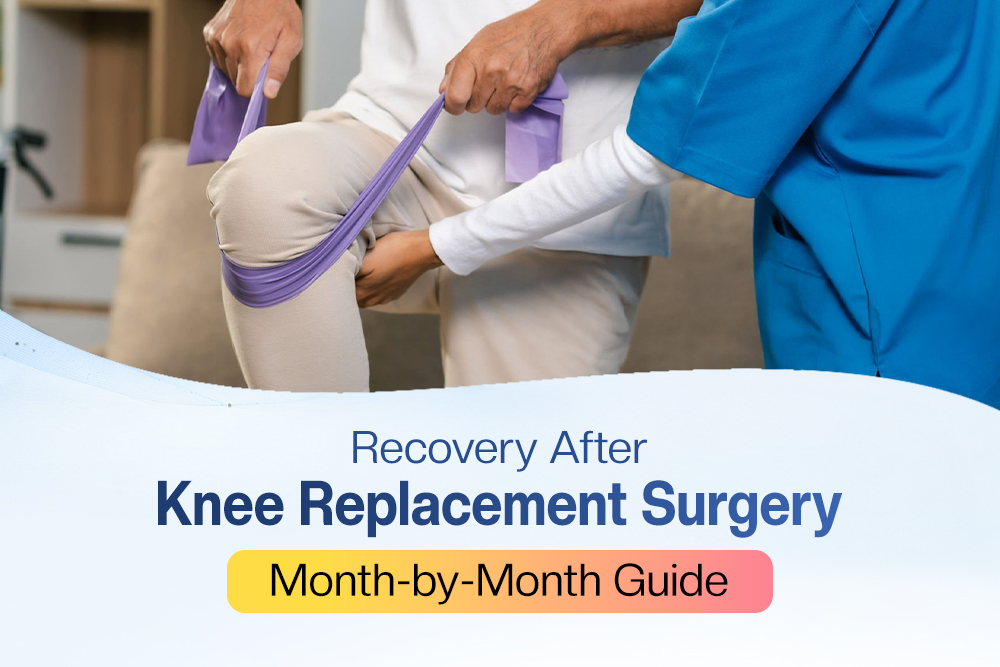
Read more →Knee joint replacement surgery is an orthopedic procedure that greatly benefits patients with severe knee pain and limited knee movement. Although knee replacement surgery can significantly improve quality of life, successful recovery and rehabilitation are equally important for achieving positive outcomes. Knowing the different stages of knee replacement recovery will help people be better prepared physically and mentally.
Recovery takes time. It depends on your age, overall health, muscle strength, and participation in rehabilitation exercises. Although recovery timelines vary from person to person, most patients follow a general pattern of recovery.
Table of Contents
- How Recovery Progresses After Knee Replacement Surgery
- What to Expect During Each Month of Healing
- Post-Surgery Recovery Milestone Matrix
- When You Can Walk, Drive, and Return to Daily Activities
- The Importance of Physical Therapy and Exercise
- Tips to Improve Healing and Avoid Complications
- Signs That Indicate Recovery Is Progressing Well
- Conclusion
- FAQs About Recovery After Knee Replacement Surgery
How Recovery Progresses After Knee Replacement Surgery

Knee replacement surgery is highly successful in relieving pain and improving mobility in patients with advanced knee joint disease. However, recovery after knee replacement surgery does not occur overnight. The body needs an organized, multi-phase healing process to integrate the new implant, repair deep tissues, and build up muscles in the area.
The initial period after surgery focuses on the physiological process of inflammation and wound healing. The second phase involves tissue repair and scar formation, during which the soft tissues and joint capsule around the knee continue to heal.
Finally, long-term tissue remodeling occurs over several months as muscles and ligaments adapt to the mechanics of the knee implant. Knowing this natural process is crucial for setting realistic expectations and staying calm throughout the knee replacement recovery.
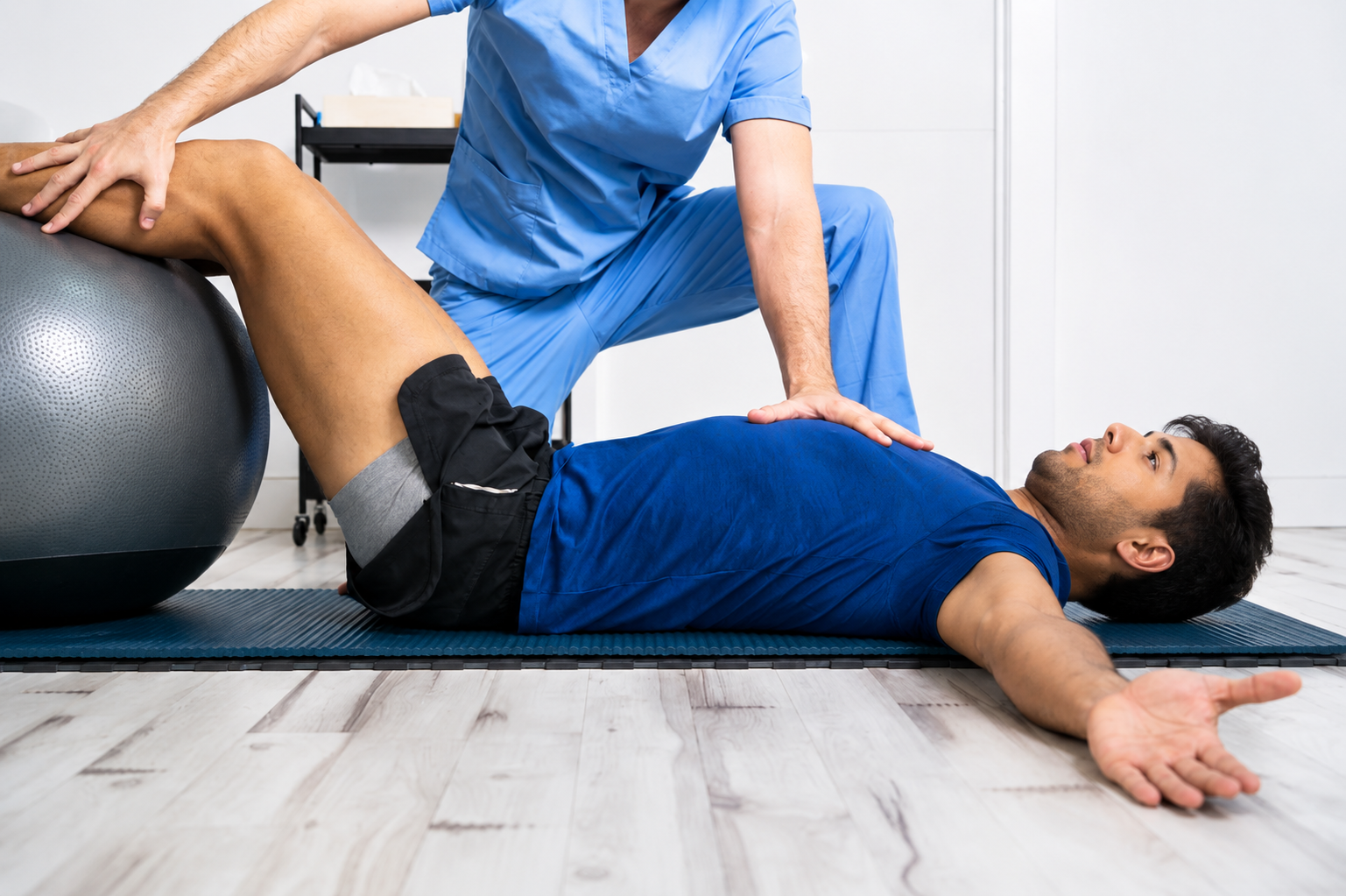
What to Expect During Each Month of Healing
A structured timeline will give you a roadmap for measuring progress and maintaining proper intensity levels during your recovery after knee surgery.
Month 1: Structural Healing and Initial Mobilization
In the first month of knee replacement recovery, emphasis is placed on the healing of the surgical site. Therapy begins right away with light exercises to improve blood flow, reduce stiffness, and support a faster, smoother recovery.
- Weeks 1–2: The primary objectives include pain control, keeping the surgical wound clean to prevent infection, and walking with support from a walker or crutches.
- Weeks 3–4: Surgical stitches or staples are usually removed if the incision has healed appropriately. The exercises aim to improve knee flexion (bending) and extension (straightening). Icing and elevating the leg help reduce swelling.
Month 2: Strengthening and Functional Transitions
Pain and soreness become considerably reduced by the second month, making recovery activities easier to perform. The emphasis then shifts to building strength and mobility.
During Weeks 5–8, patients typically progress from using a walker or crutches to using a cane and eventually walking independently. Some of the exercises during this stage include stationary cycling, mini-squats, and balance exercises.
Month 3: Returning to Daily Routines
By three months after surgery, many patients experience significant improvement, although some functional limitations may still remain. There is increased endurance in walking, and patients are able to undertake their day-to-day tasks normally.
Long-distance walking and prolonged standing usually become much easier than before surgery. The focus of recovery is gaining strength, balance, and control over normal motion. Some swelling is expected post-workout, but it can be reduced by icing.
Months 4 to 6: Advanced Remodeling and Stabilization
During this stage, the knee joint becomes stronger and more stable as healing continues. Most people can perform light forms of exercise, such as swimming, cycling, and playing golf.
The joint is prepared to handle daily stresses, flexibility increases further, and confidence in one’s movements improves. Consistent rehabilitation exercises and gradual improvement in function contribute significantly to a successful recovery.
Post-Surgery Recovery Milestone Matrix
| Recovery Phase | Target Range of Motion | Primary Assistive Device | Main Therapeutic Focus |
|---|---|---|---|
| Weeks 1–2 | 0° to 75°/80° flexion | Walker / Two Crutches | Pain control, wound care, basic mobility |
| Weeks 3–4 | 0° to 90°+ flexion | Crutches / Cane | Incision healing, improving knee extension, short walks |
| Weeks 5–8 | 0° to 115°+ flexion | Cane / Independent | Muscle strengthening, independent gait, driving |
| Month 3 | 0° to 120°+ flexion | Independent Walking | Endurance building, full household chores |
| Months 4–6 | Full functional mobility | Independent Walking | Low-impact sports, complete tissue remodeling |
When You Can Walk, Drive, and Return to Daily Activities
Recovering personal autonomy without risk requires meeting certain clinical requirements rather than relying on chance timeframes. The following are common functional milestones during knee replacement recovery that help patients safely regain mobility, strength, and independence:
Walking Independently
Patients usually begin walking with a walker or crutches on the first day after surgery. Many patients transition to using a cane by the third or fourth week and may begin walking independently between the 6 and 8 weeks, depending on their recovery progress. It is impossible to get rid of a limp without strong quadriceps muscles.
Driving Safely
The ability to resume driving depends on the operated knee, muscle strength, pain control, and the patient’s ability to react quickly in emergency situations. Patients who undergo surgery on the left knee and drive an automatic vehicle may be able to resume driving after approximately 4 weeks, provided they are no longer taking opioid pain medications and can safely control the vehicle.
For instance, if the surgery was on the right knee, then driving is discouraged until about weeks 6 to 8 because your leg needs to have enough muscle reaction time to use emergency brakes.
Returning to Work
Desk-bound or sedentary professional roles can generally be taken up partially from the 4th week onwards. For jobs involving heavy physical activity, prolonged standing, climbing, or lifting, returning to work may take approximately 3 to 6 months, depending on the individual’s recovery.
The Importance of Physical Therapy and Exercise

Your surgical outcome will depend heavily on proper physical therapy. Although the surgeon places the implant perfectly, your overall body movements and joint strength depend entirely on your exercise routine.
Without adequate physical therapy and regular exercises, stiffness and excessive scar tissue formation may occur, limiting knee mobility and function. A qualified physical therapist ensures that exercises are performed safely and effectively to restore joint movement, strength, and function.
- Quadriceps Setting: Pulling the thigh muscles tight while pressing the back side of the knee down on the mattress to restore complete knee extension.
- Straight Leg Raises: Lifting the leg while keeping the knee straight helps strengthen the quadriceps and hip muscles.
- Heel Slides: Gradually dragging the heels towards the bottom on a smooth surface to increase knee bend.
- Progressive Resistance Exercises: Using resistance bands and ankle weights to regain muscle mass in the muscles of the hamstrings, calves, and glutes.
Tips to Improve Healing and Avoid Complications
Maximizing systemic health and home safety minimizes stress on the body and improves healing from surgery.
- Optimize Clinical Nutrition: Protein, vitamin C, and zinc are essential for wound healing and collagen production after surgery. Adequate hydration supports overall healing and helps maintain normal body functions during recovery.
- Follow Proper Icing and Elevation Protocols: Use cold compresses for 15 to 20 minutes several times per day. When elevating your leg to reduce swelling, keep your ankle above the level of your heart. Do not place your pillow under your knee.
- Strict Medication Compliance: Take medications exactly as prescribed, especially before physical therapy sessions, to facilitate comfortable and effective participation in rehabilitation exercises. Pain management is crucial to your ability to perform your physical therapy properly.
- Create a Safe Home Environment: Remove loose rugs, tuck away electrical cords, and install safety handrails around the shower stall to prevent falls and possible injury to the bone-implant interface.
Signs That Indicate Recovery Is Progressing Well
Monitoring your functional progress will help you feel confident that your knee surgery recovery is going well. Standard positive signs include:
A gradual reduction in daily resting pain throughout the day and a lower dependency on prescribed pain medications.
Gradual improvement in the range of movement, especially in having a straight leg and being able to bend the knee beyond 110 degrees.
Gradual reduction in swelling and normalization of skin temperature around the operated knee are positive signs of healing.
The capacity to cover more distance in walking with ease without limping or muscle strain.
The surgical incision remains clean and dry, with no drainage, increasing redness, or other signs of infection.
Conclusion
Recovery after knee replacement surgery requires patience, dedication, and frequent rehab sessions. In most cases, progress is made within one year. Listening to your doctor, going for physiotherapy sessions, working out regularly, and adhering to healthy habits are all factors that contribute to effective recovery. Understanding the recovery process helps patients set realistic expectations and regain confidence in performing daily activities.
MITR Hospital has specialized orthopedic surgeons who perform knee replacement surgery using advanced surgical techniques. The doctors tailor treatment for each patient, enabling quick recovery with reduced pain and improved mobility.
FAQs About Recovery After Knee Replacement Surgery
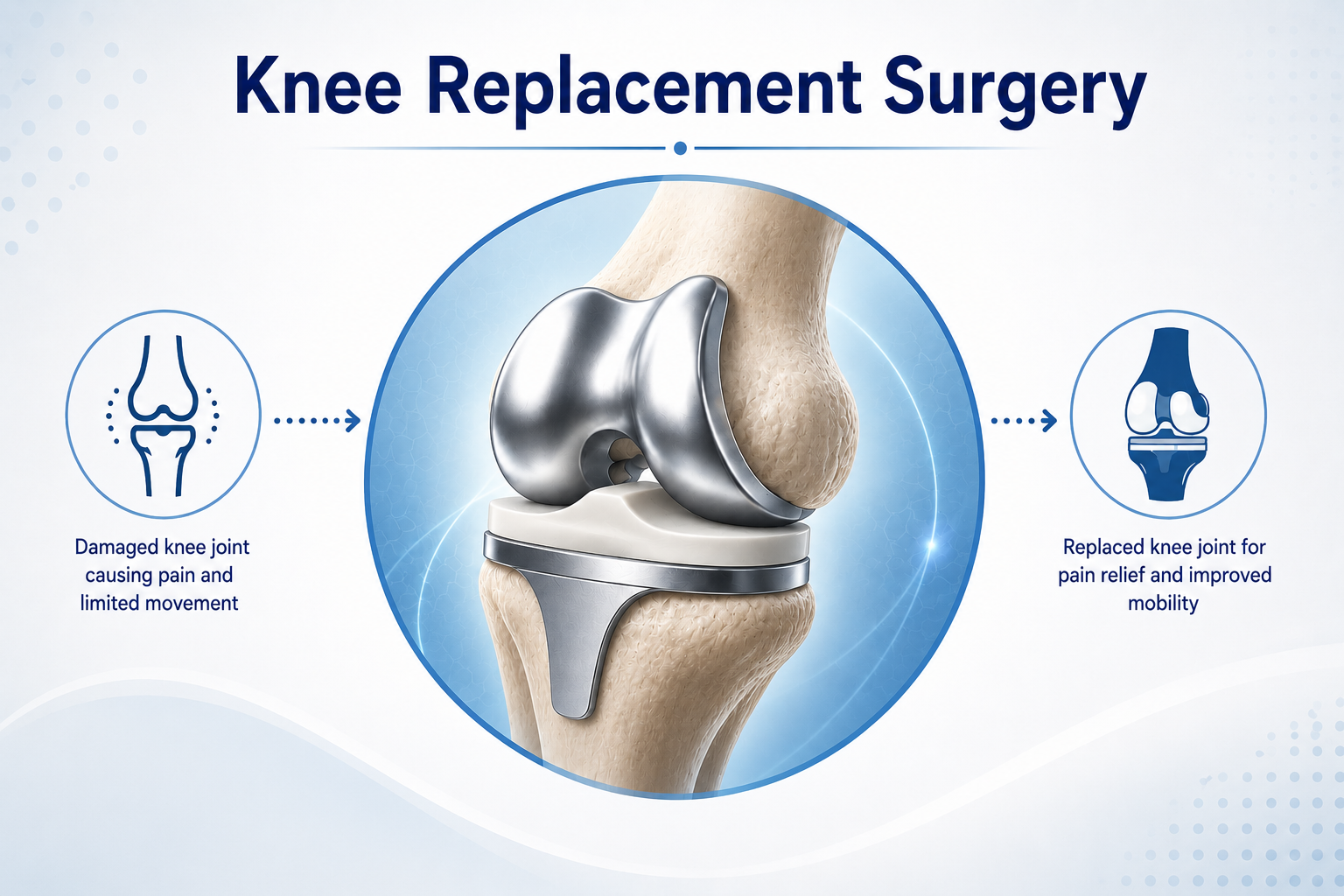
Knee replacement surgery is a surgical procedure in which the damaged or worn-out parts of the knee joint are removed and replaced with artificial implants made of metal, plastic, or ceramic materials.
Pain is usually higher during the first few weeks after surgery and gradually decreases with proper medication, exercises, and rehabilitation. Mild discomfort or swelling may continue for several months.
Common exercises after knee replacement include heel slides, straight leg raises, quadriceps strengthening exercises, ankle pumps, and gradual resistance exercises to improve mobility and strength.
A feeling of tightness or stiffness is common after knee replacement surgery due to swelling, tissue healing, and scar formation. Regular stretching and rehabilitation exercises can help improve flexibility.
Strength can be improved through regular physiotherapy, walking exercises, resistance training, and targeted strengthening of the quadriceps, hamstrings, and surrounding muscles.
You can protect your artificial knee by maintaining a healthy weight, avoiding high-impact activities, strengthening leg muscles, and following regular orthopedic check-ups.
Yes, recovery after knee replacement varies depending on age, health condition, muscle strength, activity level, type of surgery, and commitment to rehabilitation.
A knee replacement incision usually heals within a few weeks if there are no complications. Proper wound care and keeping the incision clean help support healing.
Recovery may be slower due to poor participation in physiotherapy, uncontrolled diabetes, smoking, obesity, infection, or other medical conditions that affect healing.
Applying ice for about 15–20 minutes several times a day can help reduce pain and swelling, especially during the first few weeks after surgery.
Was this Blog helpful?
Thank you for your feedback!