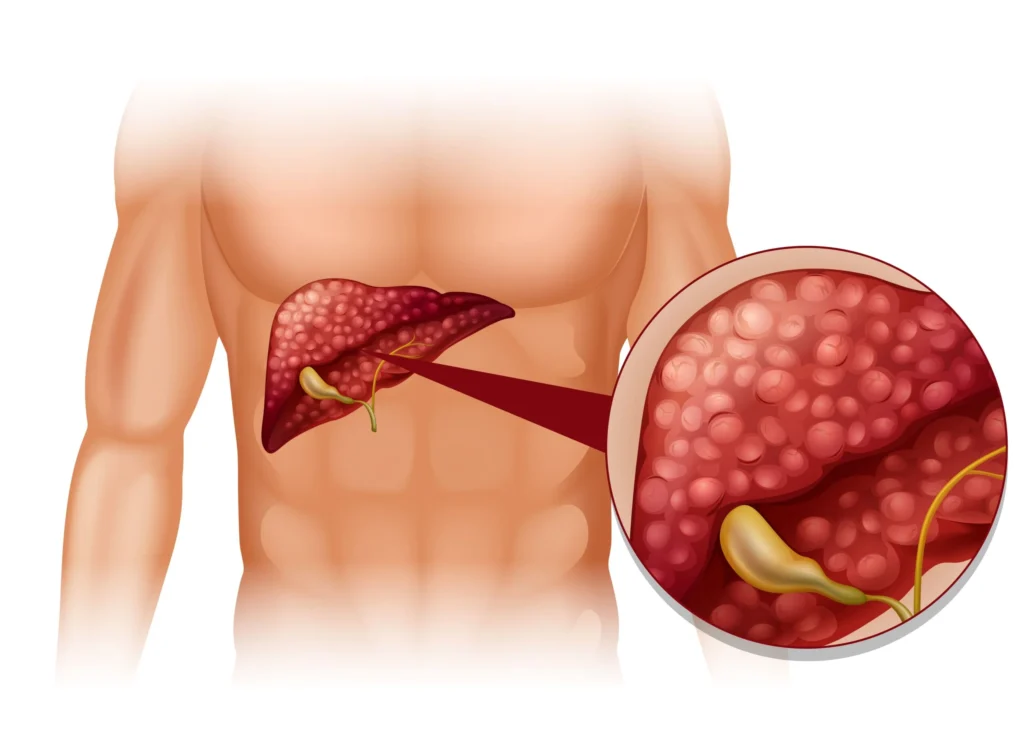
Gallstones can significantly impact your day-to-day life, bringing about discomfort through symptoms like pain, indigestion, nausea, and more. Left unaddressed, they can lead to complications such as infection or obstruction, posing serious health risks. In such cases, your physician might recommend a cholecystectomy, the surgical removal of the gallbladder.
Although the idea of gallbladder removal may sound daunting, rest assured that it typically doesn’t lead to any significant long-term issues. However, there are some minor side effects that you might encounter post-surgery, such as diarrhea, flatulence, or short-term constipation.
Adjusting to life without a gallbladder may take some time, but with the right approach, you can ensure a smooth recovery and even improve your overall health in the process.
Dietary modifications play a crucial role in this journey. Your body’s ability to digest certain foods may change after the surgery, prompting the need for adjustments in your eating habits. The good news is that these changes can encourage a healthier lifestyle overall.
Here’s a rundown of dietary adjustments you may need to make:
- Limit Fat Intake: Without a gallbladder to store and concentrate bile, your body may struggle to digest fats effectively. Limiting your fat intake can ease this process and minimize discomfort.
- Smaller, Frequent Meals: Opting for smaller, more frequent meals throughout the day can help your digestive system cope better, as it doesn’t have to process large quantities of food all at once.
- Reduce Fiber Intake: While fiber is essential for digestion, consuming too much of it can lead to gas and bloating, particularly when your body is still adjusting post-surgery. Gradually reduce your fiber intake and reintroduce it gradually as tolerated.
- Moderate Caffeine Consumption: Caffeine can stimulate the production of stomach acid, which may be problematic for some individuals post-cholecystectomy. Consider reducing your caffeine intake or switching to decaffeinated alternatives.
It’s important to note that these dietary adjustments are not one-size-fits-all. Your specific dietary needs and tolerances may vary, so it’s best to work closely with your healthcare provider or a registered dietitian to develop a personalized plan.
Remember, while gallbladder removal marks the end of a chapter, it also signals the beginning of a new journey towards better health and well-being. By making mindful choices and embracing a balanced lifestyle, you can navigate life after gallstones with confidence and vitality.
FAQs Embracing Life After Gallstones: Navigating Cholecystectomy and Long-Term Wellness
Gallstones are hardened deposits that form in the gallbladder and may cause pain, nausea, indigestion, and digestive discomfort.
Common symptoms include abdominal pain, indigestion, nausea, bloating, vomiting, and discomfort after eating fatty foods.
A cholecystectomy is a surgical procedure performed to remove the gallbladder, usually recommended for symptomatic gallstones.
Yes. Gallbladder removal is a commonly performed and generally safe procedure when done by experienced surgeons.
Yes. Most people can live a healthy and normal life without a gallbladder, although some dietary adjustments may be needed initially.
Patients are often advised to limit fatty foods, eat smaller meals, reduce excessive fiber intake initially, and moderate caffeine consumption.
Without the gallbladder storing bile, the body may find it harder to digest large amounts of fat efficiently.
Some people may temporarily experience diarrhea, bloating, flatulence, or constipation as the digestive system adjusts.
Eating smaller, more frequent meals helps reduce stress on the digestive system and improves digestion after surgery.
Yes. A healthcare provider or registered dietitian can help create a personalized diet plan based on your recovery and digestive needs. m
Was this Blog helpful?
Thank you for your feedback!