 Medically ReviewedDr. Vijaykumar YadavUrologist Medically ReviewedDr. Vijaykumar Yadav
Dr. Vijaykumar Yadav, Consultant Urologist, Uro-Oncologist and Andrologist at MITR Hospital, Kharghar, offers robotic urological surgery and kidney stone care.
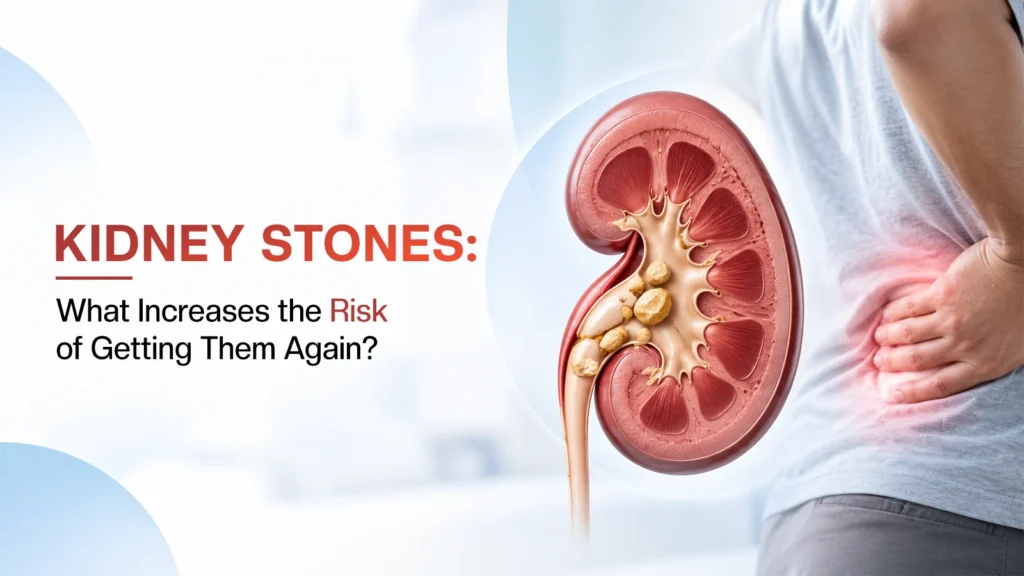
View doctor profile →Passing a kidney stone can be a painful experience, so it is natural to hope that once it is treated, the problem is over. Unfortunately, having a kidney stone once also increases the chance of developing another.
Kidney stone recurrence is not simply a matter of chance. Factors such as low fluid intake, diet, family history and certain medical conditions can increase the risk. Understanding these factors can help you take steps to reduce the likelihood of another stone.
Table of Contents
What Increases the Risk of Kidney Stone Recurrence?
Several factors can make kidney stones more likely to return.
1. Having Had a Kidney Stone Before
A previous kidney stone increases the risk of developing another. If you have had stones more than once, identifying the underlying cause becomes particularly important.
2. Not Drinking Enough Fluids
Low fluid intake makes urine more concentrated, allowing stone-forming minerals to crystallize. Drinking enough fluids, mainly water, is one of the most important ways to reduce recurrence.
3. A High-Salt Diet
Too much salt can increase the amount of calcium released into the urine, raising the risk of calcium-containing stones. Common sources include processed foods, packaged snacks, pickles and sauces.
4. Dietary Factors
Dietary risks vary depending on the type of stone. People prone to calcium oxalate stones may need to moderate high-oxalate foods such as spinach, nuts and peanuts. Excessive animal protein may also increase the risk of some types of stones, such as uric acid stones.
Avoiding calcium altogether is generally not recommended. Adequate calcium from food can help reduce oxalate absorption. Dietary changes should therefore be based on your stone type and individual risk factors.
5. Family History and Medical Conditions
A family history of kidney stones can increase your risk. Conditions such as gout, bowel disorders and problems affecting mineral balance, such as overactive parathyroid glands and renal tubular acidosis, may also contribute. Previous gastrointestinal surgery, which includes bariatric surgery, can increase the risk in some people.
Certain medicines and supplements may also play a role, so tell your doctor about everything you take if you have recurrent stones.
Why Does the Type of Stone Matter?
Kidney stones are not all made of the same material. The most common types include calcium oxalate, calcium phosphate, uric acid and cystine stones, and each can have different causes and risk factors.
- Calcium oxalate and calcium phosphate stones: These are common types of kidney stones and can be associated with factors such as high sodium intake, changes in urine chemistry and, in some cases, dietary factors.
- Uric acid stones: These are more likely to form when urine is too acidic and may be associated with conditions such as gout and diets high in animal protein.
- Cystine stones: These are uncommon and occur because of an inherited condition called cystinuria that causes excess cystine to enter the urine.
Knowing the type of stone can help your doctor decide which preventive measures are appropriate. If a stone is removed or passed and is available for testing, stone analysis can help identify its composition.
For people with recurrent stones, doctors may also recommend blood tests and a 24-hour urine test. These can assess factors such as urine volume, calcium, oxalate, uric acid and citrate, helping identify factors that may be contributing to recurrence.
How Can You Reduce the Risk of Kidney Stones Coming Back?
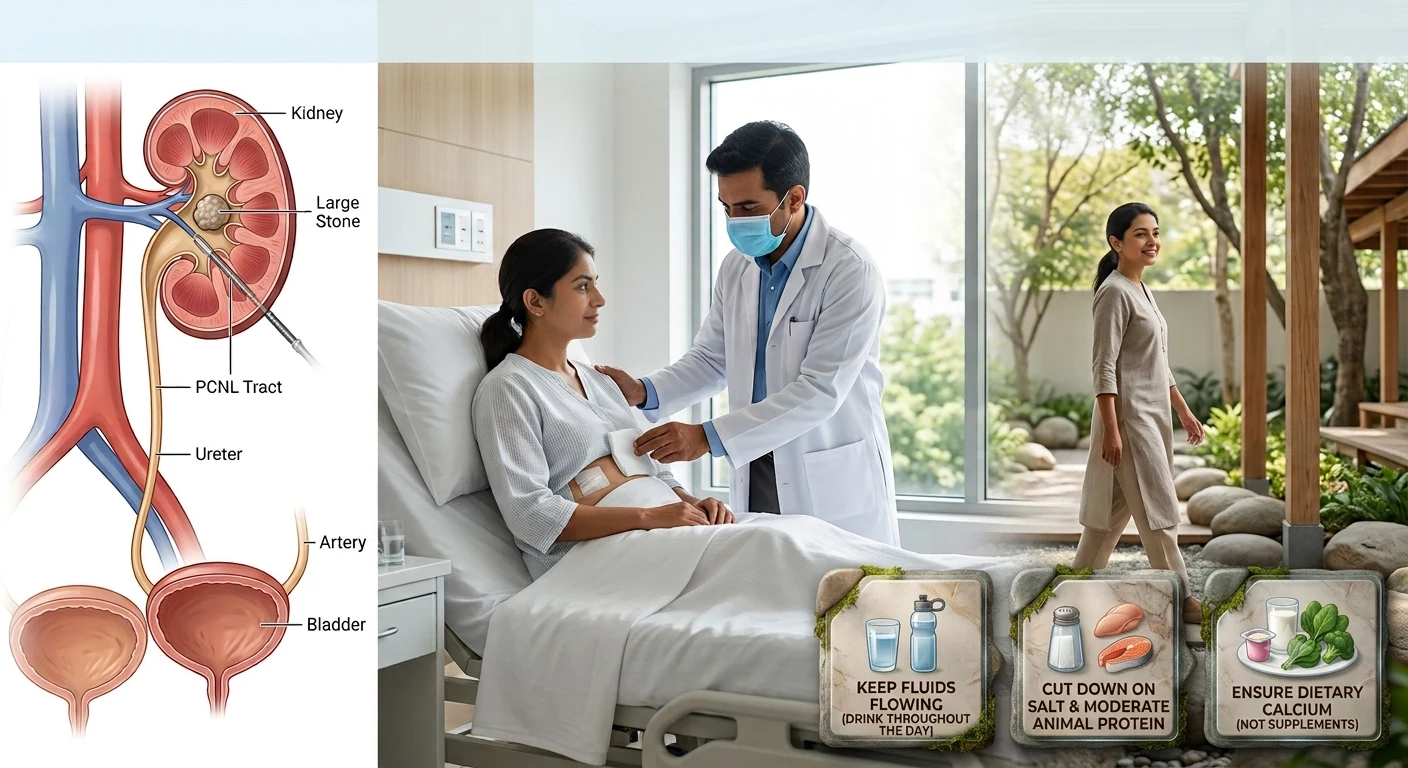
Prevention depends on why your stones formed, but several measures can help reduce the risk:
- Drink enough fluids: Spread your fluid intake throughout the day to keep your urine adequately diluted. Drink at least 2.5 to 3 liters per day, and more in hot weather or with heavy sweating, which matters in Mumbai’s climate. In patients with heart or kidney disease, consult your doctor on how much water intake is recommended.
- Cut down on salt: Reduce heavily salted, processed and packaged foods.
- Get adequate dietary calcium: Do not restrict calcium from food unless advised by your doctor. Adequate dietary calcium can help reduce oxalate absorption.
- Moderate animal protein: Depending on your stone type and test results, your doctor may recommend reducing excessive intake of meat and other animal proteins.
- Follow stone-specific dietary advice: Some people may need to modify their intake of oxalate or other dietary factors based on their individual risk.
- Manage underlying conditions: Conditions such as gout, diabetes, high blood pressure or bowel disorders may need to be managed as part of your prevention plan.
Some people with recurrent stones may also need medicines or more specific dietary changes based on their blood and urine test results. Our guide to staying stone-free after removal explains this in more detail.
When Should You See a Urologist?
If you have had kidney stones before and develop symptoms again, it is worth getting assessed by a urologist rather than assuming the pain will settle on its own.
Seek medical attention if you experience:
- Severe or persistent pain in the side, back, abdomen or groin
- Blood in the urine
- Pain or burning while urinating
- Nausea or vomiting, particularly with severe pain
- Fever or chills, especially along with urinary symptoms
Fever and chills with a suspected kidney stone can indicate an infection associated with urinary blockage and require urgent medical attention.
Kidney Stone Treatment and Prevention at MITR Hospital, Kharghar
At MITR Hospital, Kharghar, the Urology and Andrology team provides care for kidney stones based on factors such as the stone’s size, location and characteristics. Treatment options at the MITR Urology department include endoscopic stone removal by laser, depending on the individual case.
For patients who experience recurrent kidney stones, treatment can also involve looking beyond the current stone. Understanding the type of stone and identifying factors that may be contributing to its formation can help guide longer-term prevention. Our guide to kidney stone follow-up care explains what this looks like after a procedure.
The aim is not simply to treat one episode, but to understand why stones are recurring and take appropriate steps to reduce the risk of future stones.
FAQs on Kidney Stone Risks
Yes, kidney stones can recur after treatment, particularly if the underlying causes are not addressed. The risk depends on factors such as stone composition, fluid intake, diet, family history and medical conditions. Identifying these risk factors can help guide preventive care.
The amount of fluid needed depends on your health, activity level, climate and risk of stone formation. Drinking water regularly throughout the day helps dilute urine and may reduce the risk of recurrence. The ideal requirement for an adult is 2.5 to 3 liters of water, however your doctor may recommend an appropriate fluid intake based on your individual needs.
Yes, having a close family member with kidney stones can increase your risk of developing them. Genetics may influence how your body processes substances such as calcium, oxalate and uric acid. If kidney stones run in your family, your doctor may recommend assessing your individual risk factors.
No, most people prone to calcium oxalate stones should not eliminate calcium-rich foods without medical advice. Adequate dietary calcium can bind to oxalate in the digestive tract, reducing the amount absorbed into the bloodstream and passed into urine. Dietary recommendations should be tailored to your stone type and test results.
Doctors may recommend stone analysis, blood tests and a 24-hour urine test to investigate recurrent kidney stones. These tests can assess stone composition and factors such as urine volume, calcium, oxalate, uric acid and citrate. The results help guide personalized prevention strategies.
Dietary changes can reduce recurrence risk, but they may not be sufficient for everyone. Drinking enough fluids, limiting excess salt and maintaining adequate dietary calcium can help. Some patients may also need prescription medicines or targeted dietary changes based on their stone type and medical assessment.
Consult a urologist if you have a history of kidney stones and develop recurring pain, blood in the urine or painful urination. Severe pain, persistent vomiting or difficulty passing urine also requires prompt assessment. Fever or chills with a suspected kidney stone require urgent medical attention because they may indicate an infection with urinary obstruction.
Was this Blog helpful?
Thank you for your feedback!