

Medically ReviewedDr. Vijaykumar YadavUrologist
Medically ReviewedDr. Vijaykumar YadavDr. Vijaykumar Yadav, Consultant Urologist, Uro-Oncologist and Andrologist at MITR Hospital, Kharghar, offers robotic urological surgery and kidney stone care.
View doctor profile →Erectile dysfunction (ED) is the inability to get or maintain an erection firm enough for sexual activity. While occasional difficulty can happen due to stress, tiredness or alcohol, persistent erectile dysfunction can sometimes point to an underlying health condition.
An erection depends on healthy blood vessels, nerves and psychological wellbeing. Conditions that affect any of these can interfere with sexual function. Understanding the possible erectile dysfunction causes can therefore help identify whether another health problem needs attention.
Table of Contents
What Are the Common Erectile Dysfunction Causes?
1. Heart and Blood Vessel Conditions
An erection requires healthy blood flow to the penis, meaning conditions affecting the blood vessels directly contribute to ED. High blood pressure, high cholesterol, atherosclerosis and cardiovascular disease reduce this flow, while a stroke can damage the necessary nerves and vessels. Epidemiologic data suggest that ED often precedes clinically recognised cardiovascular disease by about 2 to 5 years. The American Urological Association (AUA) also advises that men with ED should be told it may be a risk marker for underlying cardiovascular disease.
2. Diabetes and Metabolic Conditions
Diabetes is a leading physical cause of erectile dysfunction because chronically high blood glucose damages the blood vessels and nerves required for normal function. Obesity also increases ED risk due to its close links to diabetes, hypertension and hormonal shifts. Actively managing these underlying metabolic conditions can significantly improve erectile function.
3. Hormonal and Thyroid Issues
Hormones heavily influence sexual function, and low testosterone is one well-known hormonal cause. Thyroid disorders can similarly disrupt function. If a hormonal imbalance is suspected, a doctor will recommend blood tests to evaluate your levels rather than blaming age.
4. Neurological Conditions
Conditions such as multiple sclerosis, spinal cord injuries and nerve damage from pelvic surgery can affect the nerves involved in an erection and can therefore cause erectile dysfunction.
5. Prostate, Pelvic and Penile Conditions
Enlarged prostate (BPH) and urinary symptoms are independently associated with ED, and some BPH medicines, such as finasteride and dutasteride, can affect sexual function. Erectile dysfunction can also develop following prostate cancer treatments or after traumatic injuries to the penis, pelvis or spinal cord. Peyronie’s disease causes internal scar tissue (plaque in the tunica albuginea, the sheath around the erectile tissue), leading to penile curvature and structural difficulties. A precise assessment of these physical factors is vital before choosing a treatment path.
6. Mental Health and Emotional Factors
Psychological factors are just as impactful as physical ones. Anxiety, depression and chronic stress disrupt sexual arousal and make maintaining an erection difficult. Furthermore, emotional and physical causes often overlap, as worrying about a previous difficulty creates performance anxiety that makes the issue more likely to happen again.
7. Lifestyle Factors and Medications
Smoking damages blood vessels and is one of the strongest modifiable risk factors for ED. Excess alcohol, recreational drug use and lack of physical activity can also contribute. Some medicines can affect erections as a side effect, including certain blood pressure medicines, antidepressants, antipsychotics, opioid painkillers and some prostate medicines.
8. Other Medical Conditions
Erectile dysfunction is also more common in men with obstructive sleep apnoea, chronic kidney disease and chronic liver disease. In these men, treating the underlying condition may help.
Why Is Finding the Cause Important?
Erectile dysfunction is a symptom rather than a single disease, so treatment works best when the underlying cause is considered.
A urologist may ask about your medical history, medications, lifestyle, sexual function and any other symptoms. A physical examination may be followed by blood or urine tests, depending on what the doctor suspects. These may include tests for blood glucose, cholesterol, testosterone and thyroid function.
When a blood-flow problem is suspected, penile Doppler ultrasound may be used to assess blood flow to the penis. The choice of investigation depends on the individual and the suspected cause.
Erectile Dysfunction Treatment
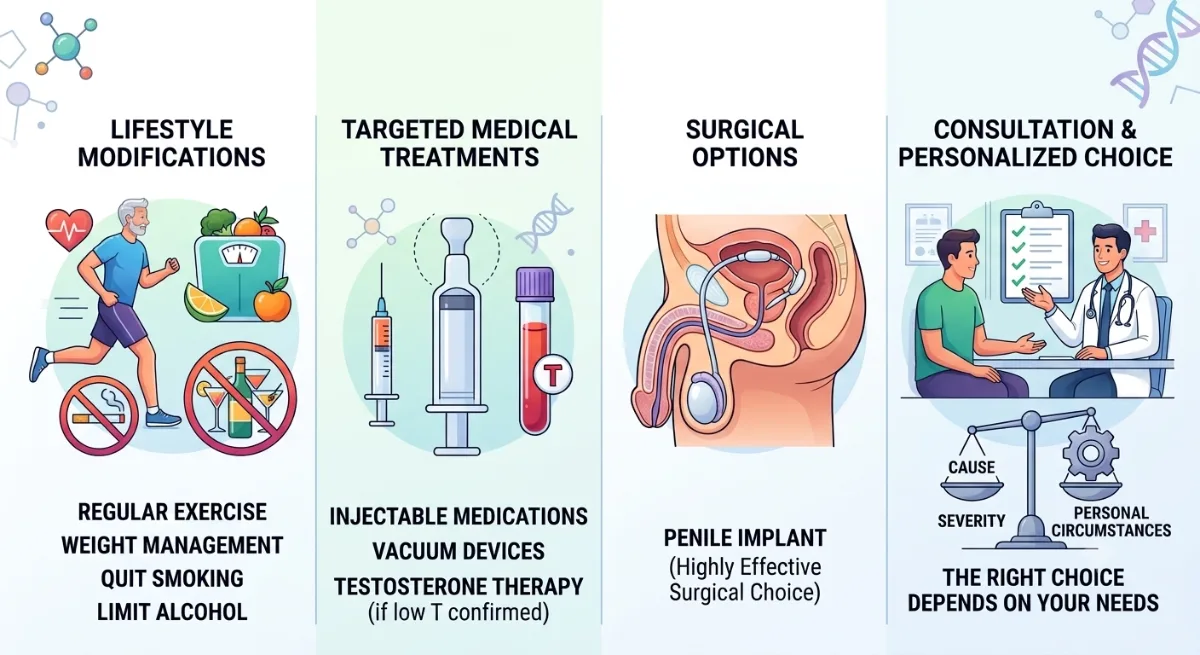
Treatment for erectile dysfunction begins with lifestyle changes, such as regular exercise, managing weight, quitting smoking and limiting alcohol, which can significantly improve function. Additionally, if an existing prescription is contributing to ED, your doctor can safely review and adjust it. Never stop taking any prescribed medication without medical guidance.
Medical options often begin with PDE5 inhibitors, which boost blood flow to help achieve and maintain an erection. However, they must not be taken with nitrates, such as nitroglycerin or isosorbide used for angina. Combining them can cause a dangerous drop in blood pressure. Depending on your needs, other targeted treatments include injectable medications, vacuum devices, or testosterone therapy if low levels are confirmed.
Many ED supplements sold online or over the counter are adulterated with undeclared prescription drugs and can be dangerous, particularly for men taking heart medicines.
Where stress, anxiety or relationship factors play a role, counselling or sex therapy, alone or together with medication, can be very effective.
An erection that lasts more than 4 hours (priapism), for example after starting these medicines, is a medical emergency. Chest pain during sexual activity also needs urgent medical attention.
For men who do not respond to these methods, a penile implant is a highly effective surgical option. Ultimately, the right choice depends on the cause, severity and your personal circumstances.
When Should You See a Specialist?
If you’re having ongoing trouble getting or keeping an erection, it is vital not to just shrug it off or hope it goes away on its own. Erectile dysfunction can happen at any stage of life, and it is often an early warning sign that something else in your body or mind needs attention.
At MITR, our Urology and Andrology team takes the time to understand what may be contributing to erectile dysfunction and discusses the concerns you may have in a private, supportive setting. The erectile dysfunction treatment begins with understanding your symptoms and overall health, followed by further tests when needed.
If you have concerns about erectile dysfunction or would simply like to speak with a specialist, you should consult an andrologist at the earliest.
FAQs on Causes of Erectile Dysfunction
Yes, erectile dysfunction can sometimes be an early indicator of cardiovascular disease because both conditions may involve impaired blood vessel function. Persistent ED may warrant an assessment of blood pressure, cholesterol, blood glucose and overall cardiovascular risk, particularly in men with other risk factors.
Erectile dysfunction becomes more common with age, but it is not an inevitable part of ageing. Persistent difficulties may be associated with medical conditions, medications, lifestyle factors or psychological concerns. A medical assessment can help identify possible causes and appropriate treatment options.
Yes, erectile dysfunction can improve in some cases, particularly when contributing factors such as uncontrolled diabetes, medication side effects, smoking or psychological stress are addressed. The outcome depends on the underlying cause and severity. Some men may also benefit from medical or other targeted treatments.
Yes, certain medicines can contribute to erectile dysfunction, including some blood pressure medicines, antidepressants and other prescription drugs. However, the underlying condition being treated may also affect sexual function. Consult your doctor before changing or stopping any prescribed medication.
Erectile dysfunction can make conception more difficult if it prevents sexual intercourse, but it does not necessarily mean that sperm production or sperm quality is impaired. Fertility depends on several factors, and a doctor can recommend appropriate investigations if conception is a concern.
Yes, erectile dysfunction can occur even when testosterone levels are normal. Healthy erections also depend on blood flow, nerve function, psychological wellbeing and other factors. Testosterone treatment is generally considered when low testosterone is confirmed and the clinical findings support treatment.
A urologist or andrologist can evaluate persistent erectile dysfunction, investigate possible underlying causes and discuss suitable treatments. Depending on the findings, assessment by another specialist may also be appropriate. Early evaluation can help identify associated health concerns and guide personalised care.
Yes, erectile dysfunction can affect younger men as well as older adults. Causes may include stress, performance anxiety, depression, diabetes, hormonal imbalances, medication side effects and lifestyle factors such as smoking or excessive alcohol consumption. Persistent difficulties should be assessed by a urologist or andrologist to identify possible underlying causes and appropriate treatment.
Your partner may accompany you to an erectile dysfunction consultation if you feel comfortable doing so. Partner involvement can help communicate concerns, discuss relationship or emotional factors and understand the available treatment options. However, attending with a partner is not compulsory, and you can consult a urologist or andrologist privately if you prefer.
Was this Blog helpful?
Thank you for your feedback!