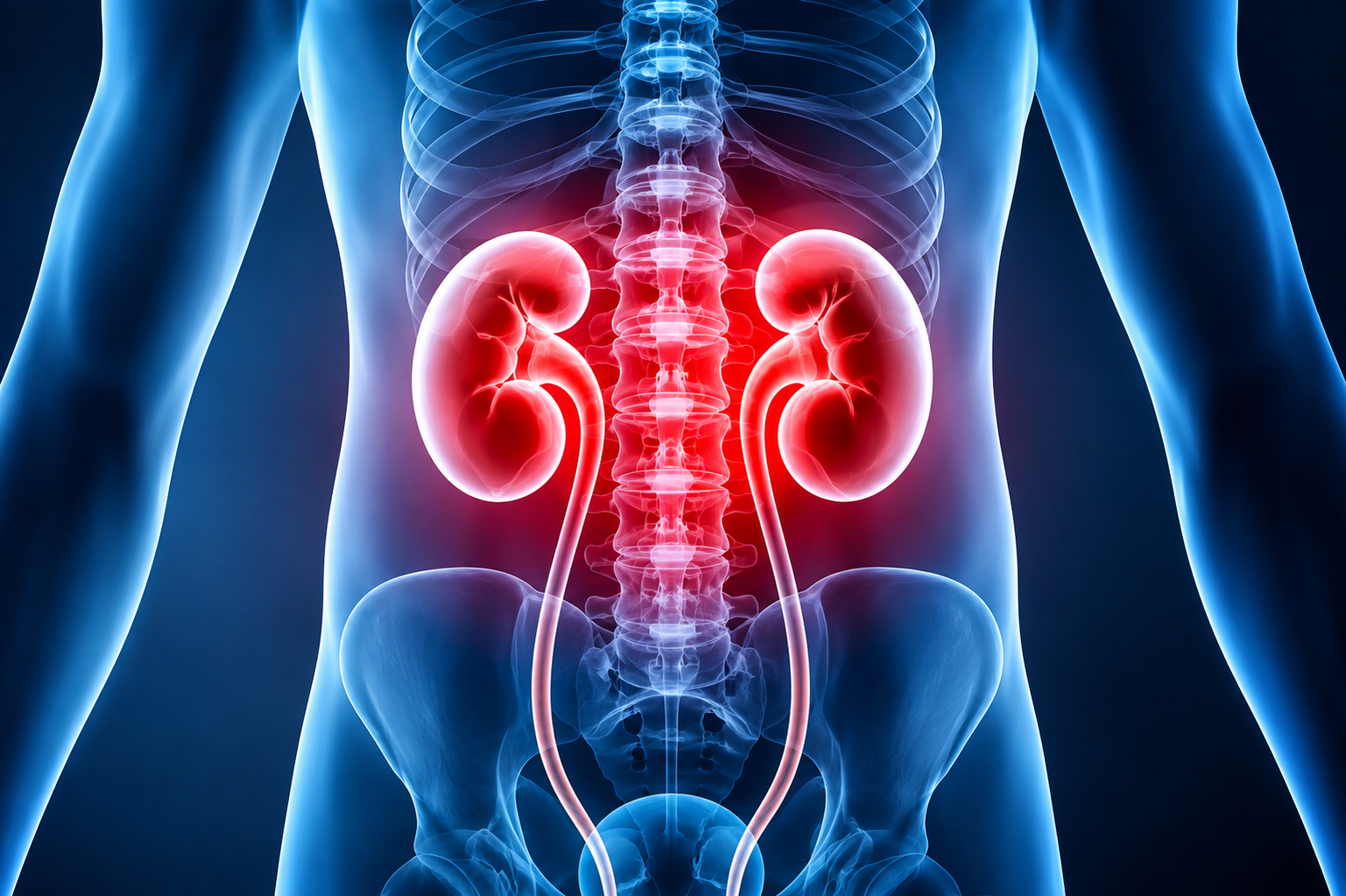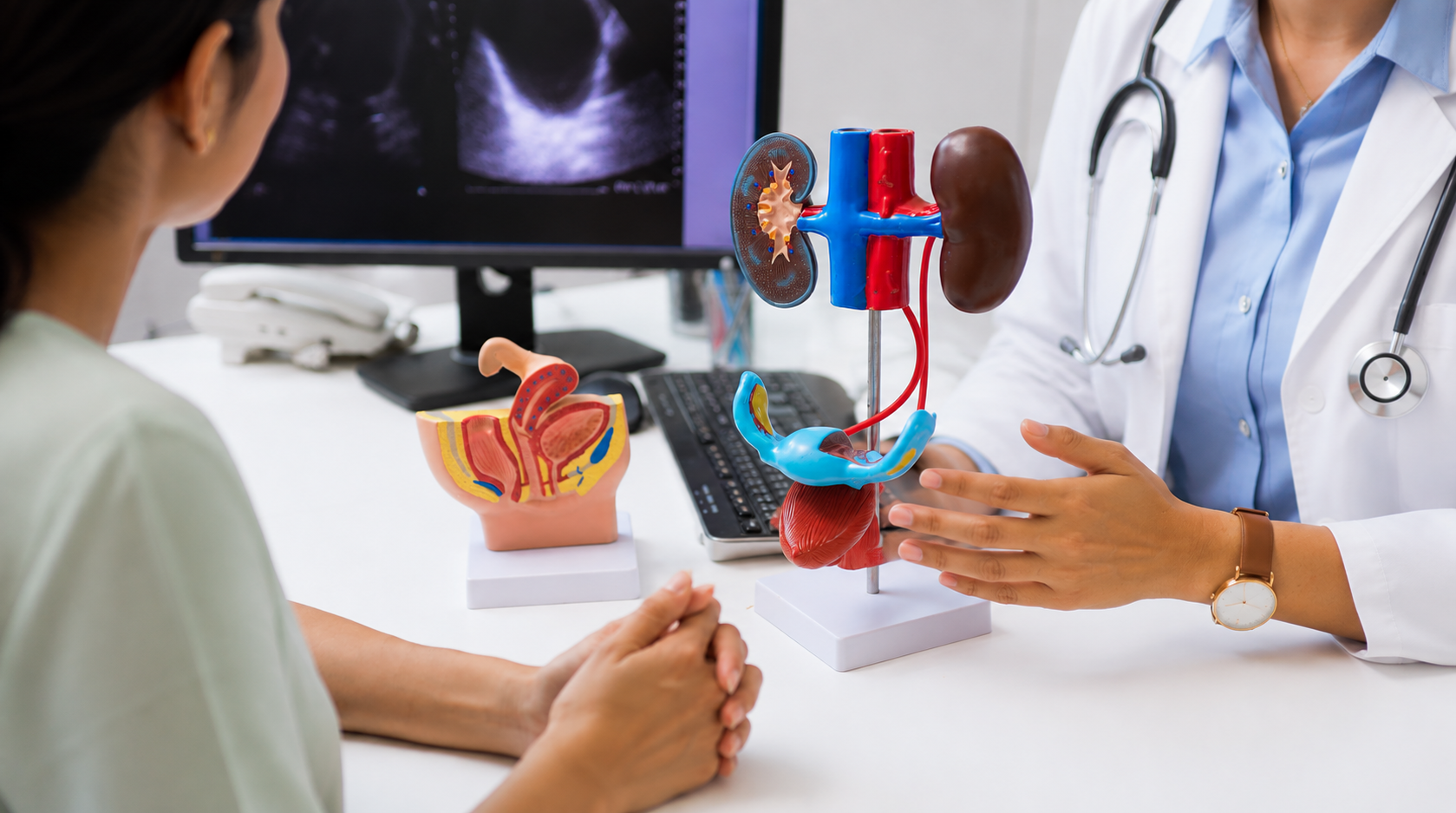

Problems related to the urinary tract or male reproductive system are more common than many people realise. While some conditions, such as a urinary tract infection (UTI), may be temporary, others like kidney stones or an enlarged prostate can require specialised care.
Recognising the symptoms early and consulting a urologist in Navi Mumbai can help prevent complications and ensure timely treatment. Here’s a look at some of the most common urological conditions treated by a urologist and when you should seek medical advice.
Table of Contents
At MITR Hospital’s Department of Urology, patients receive comprehensive care for a wide range of urinary and male reproductive conditions. From kidney stones and enlarged prostate to urinary infections and complex urological cancers, the department combines medical expertise with advanced endoscopic, laparoscopic, and robotic surgical techniques to provide personalised treatment.
1. Kidney and Ureteral Stones
Kidney stones are one of the most common reasons people visit a urologist. They develop when minerals in the urine form hard deposits that can block the flow of urine and cause severe pain.
Common symptoms include:
Kidney stone treatment depends on the size and location of the stone. Smaller stones may pass with medicines and adequate hydration, while larger stones may require procedures such as laser stone surgery, ESWL (shock-wave lithotripsy), PCNL, or ureteroscopy. MITR Hospital offers a full range of minimally invasive treatment options for kidney and ureteral stones.
MITR Hospital offers comprehensive kidney stone treatment in Navi Mumbai, with a full range of minimally invasive procedures tailored to each patient’s condition.
2. Enlarged Prostate (Benign Prostatic Hyperplasia – BPH)
As men age, the prostate gland may gradually increase in size. This condition, known as Benign Prostatic Hyperplasia (BPH), is non-cancerous but can affect the normal flow of urine.
Common symptoms include:
Treatment depends on the severity of symptoms and may include medication or minimally invasive procedures such as Transurethral Resection of the Prostate (TURP).
3. Urinary Tract Infections (UTIs)
A urinary tract infection can affect the kidneys, ureters, bladder, or urethra. While UTIs are more common in women, men can also develop them, particularly if an underlying urinary problem is present.
Common symptoms include:
Recurring UTIs should always be evaluated to identify the underlying cause rather than repeatedly treating the infection with antibiotics alone.
4. Blood in the Urine (Haematuria)
Seeing blood in the urine can be alarming. While it may sometimes be caused by an infection or kidney stone, it can also indicate a more serious underlying condition affecting the urinary tract.
Even if it occurs only once and is painless, blood in the urine should never be ignored. A urologist may recommend urine tests, imaging, or a cystoscopy to determine the cause and recommend appropriate treatment.
5. Urinary Incontinence
Urinary incontinence refers to the loss of bladder control, leading to accidental leakage of urine. It can affect both men and women and may occur due to ageing, nerve-related conditions, childbirth, or prostate problems.
Treatment depends on the underlying cause and may include pelvic floor exercises, medication, lifestyle changes, or surgery in selected cases.
6. Urethral Strictures
A urethral stricture occurs when the urethra becomes narrowed due to scarring, making it difficult for urine to pass normally.
People with this condition may notice:
Depending on the severity, treatment may involve endoscopic procedures such as Visual Internal Urethrotomy (VIU) or reconstructive surgery.
7. Erectile Dysfunction and Male Infertility
Urologists also diagnose and treat several conditions affecting male reproductive health, making a urologist in Navi Mumbai an important specialist for comprehensive male urinary and reproductive health care.
These include:
The right treatment begins with finding the exact cause of your symptoms. Depending on what you’re experiencing, your urologist may recommend one or more tests to understand the problem better.
These may include:
The Urology Department at MITR Hospital offers advanced diagnostic facilities along with minimally invasive treatment options, enabling patients to receive evaluation and treatment under one roof.
Occasional urinary discomfort may not always be a cause for concern. However, symptoms that persist or keep returning should not be ignored.
Consider consulting a urologist in Navi Mumbai if you experience:
Early evaluation can help identify the underlying cause and prevent complications.
Urological conditions can affect your comfort, confidence, and overall quality of life, but many can be effectively managed when diagnosed early.
When choosing a urology hospital in Navi Mumbai, look for one that offers experienced urologists, advanced diagnostic facilities, and access to minimally invasive treatment options. Having consultations, investigations, and surgical care available under one roof can also make the treatment journey more convenient.
MITR Hospital brings these services together through its dedicated Urology Department, offering advanced endoscopic, laparoscopic, and robotic procedures for a wide range of urinary and male reproductive conditions.
Supported by a team of experienced urologists, including Dr. Manish Dubey, Dr. Vijaykumar Yadav, and Dr. Samir Bagadia, patients receive personalised treatment based on their condition and individual needs.
You should consider seeing a urologist if you experience persistent urinary symptoms such as pain while passing urine, blood in the urine, frequent urination, difficulty emptying your bladder, recurrent urinary tract infections, or concerns related to male reproductive health.
A urologist treats conditions affecting the kidneys, ureters, bladder, urethra, and male reproductive system. These include kidney stones, enlarged prostate, urinary tract infections, urinary incontinence, urethral strictures, erectile dysfunction, male infertility, and urological cancers.
No. Small kidney stones may pass naturally with medication and adequate hydration. Larger stones or those causing severe pain or obstruction may require treatments such as laser stone surgery, ESWL, PCNL, or ureteroscopy, depending on their size and location.
Yes. Robotic-assisted surgery is used for selected urological procedures, including prostate, kidney, bladder, and certain stone surgeries. It allows surgeons to perform complex procedures using a minimally invasive approach where appropriate.
Yes. Recurrent urinary tract infections may be caused by an underlying urinary problem rather than the infection itself. If you experience frequent UTIs, it’s important to consult a urologist to identify the cause and recommend the most appropriate treatment.
You should consult a urologist if you experience persistent pain while urinating, blood in the urine, frequent urination, difficulty passing urine, or recurring urinary infections.
Yes. Kidney stones can block the urinary tract and cause pain, infections, blood in the urine, or difficulty urinating. A urologist can diagnose the condition and recommend suitable treatment.
Depending on your symptoms, a urologist may recommend urine tests, blood tests, ultrasound, CT scans, or other diagnostic procedures to identify the underlying cause.
Yes. Many urinary conditions can be managed with medicines, lifestyle changes, or minimally invasive treatments. Surgery may only be recommended when other treatment options are not effective or appropriate.
Yes. Urinary conditions can affect men and women differently due to differences in anatomy and underlying causes. A urologist can evaluate the symptoms and determine the appropriate treatment.