Engaging in sports is essential for a healthy and active lifestyle. From improving cardiovascular endurance to boosting mental health, regular physical activity offers numerous benefits. However, sports can also take a toll on joint health, especially when proper care and preventive measures are not followed. Athletes, fitness enthusiasts, and even casual sports participants often face joint issues that can range from minor sprains to chronic conditions like arthritis. This blog explores how sports impact your joints, preventive strategies to protect them, and expert care options available at MITR Hospital in Kharghar, Navi Mumbai.
The Connection Between Sports and Joint Health
How Sports Affect Your Joints
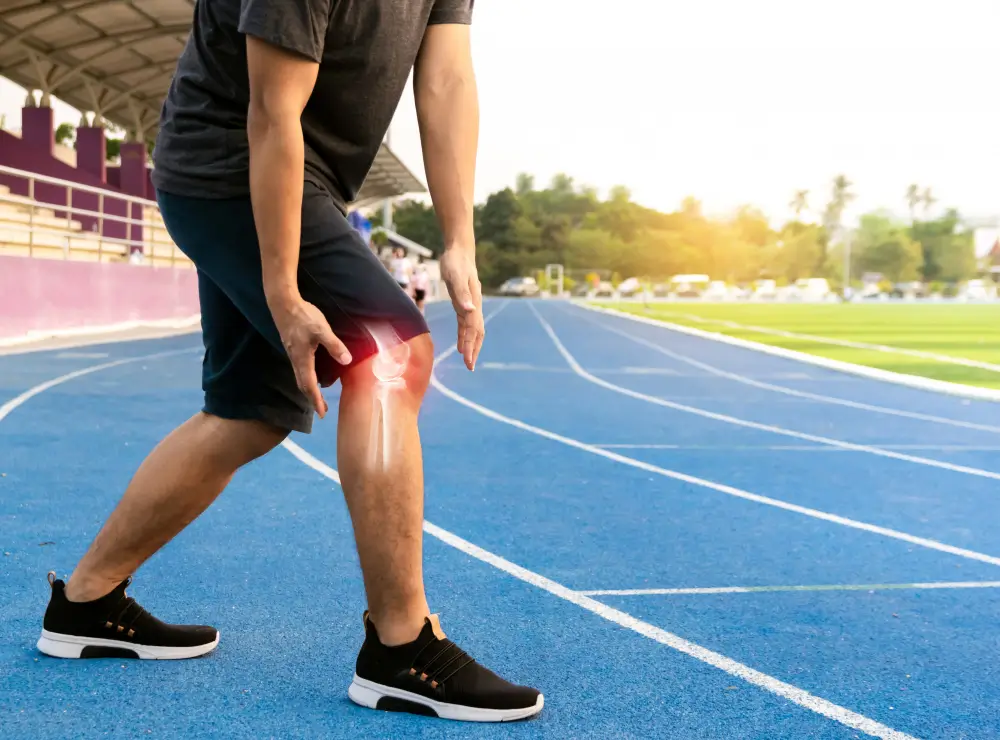
While sports improve muscle strength and bone density, repetitive movements, high-impact activities, and improper technique can lead to joint stress and injuries. Common joint-related issues include:
- Ligament tears (e.g., ACL injuries)
- Tendonitis
- Cartilage wear and tear
- Dislocations and fractures
- Osteoarthritis due to long-term wear
Common Sports That Put Pressure on Joints
High-Impact Activities
- Running and jogging: Increased load on knees and ankles
- Basketball: Risk of sprains and ACL injuries
- Football: Common for knee, hip, and shoulder joint damage
Low-Impact Activities
- Swimming: Joint-friendly and helps improve flexibility
- Cycling: Builds muscle without stressing the joints
MITR Hospital in Kharghar, Navi Mumbai treats a wide range of joint-related sports injuries with advanced diagnostics and minimally invasive techniques.
Prevention Strategies for Healthy Joints
Warm-Up and Cool-Down
Proper warm-up increases blood flow and flexibility, while cool-down reduces muscle stiffness and helps joints recover post-activity.
Strength Training
Building supporting muscles around joints (especially knees and shoulders) helps in shock absorption and reduces direct joint strain.
Use Correct Gear
Proper footwear, braces, and safety equipment reduce the risk of impact-related injuries.
Practice Proper Technique
Incorrect form is a leading cause of joint damage in both professional and amateur athletes.
Care Strategies After a Joint Injury
R.I.C.E. Method
- Rest: Avoid putting weight on the joint
- Ice: Apply ice to reduce swelling
- Compression: Use elastic wraps to support the area
- Elevation: Raise the joint to decrease inflammation
Consult a Specialist
Timely consultation with an orthopedic or sports medicine specialist at MITR Hospital in Kharghar, Navi Mumbai ensures accurate diagnosis and customized treatment plans.
Expert Joint Care at MITR Hospital in Kharghar, Navi Mumbai
At MITR Hospital, our team of orthopedic and sports injury specialists provide comprehensive care for joint health. From physiotherapy and pain management to arthroscopic surgeries, we use evidence-based treatments tailored to each patient’s lifestyle and level of activity.
Whether you’re a professional athlete or a weekend warrior, joint pain treatment in Navi Mumbai at MITR Hospital ensures long-term mobility and recovery.
Conclusion:
Participating in sports is incredibly rewarding, but taking care of your joints is crucial for maintaining long-term health and mobility. Implementing preventive strategies and seeking timely medical care can protect your joints from serious damage. If you’re dealing with sports-related joint pain or injuries, consult the experts at MITR Hospital in Kharghar, Navi Mumbai for advanced and personalized treatment options.


Medical reviewed by |
Dr. Gangaraju Bharatkumar
FAQs ABOUT The Impact of Sports on Joint Health: Prevention and Care Strategies
Sports can strengthen muscles and bones, but repetitive movements, high-impact activities, and improper techniques can place stress on joints, increasing the risk of injuries and wear and tear.
High-impact sports such as running, basketball, and football can place significant stress on the knees, ankles, hips, and shoulders, increasing the risk of joint injuries.
Common injuries include ligament tears (such as ACL injuries), tendonitis, cartilage damage, dislocations, fractures, and long-term joint degeneration.
Low-impact activities like swimming and cycling are generally gentler on the joints while still improving fitness, flexibility, and muscle strength.
You can protect your joints by warming up properly, strengthening supporting muscles, using appropriate sports equipment, maintaining correct technique, and avoiding overtraining.
Warm-ups improve blood circulation and flexibility, while cool-down exercises help reduce muscle stiffness and support joint recovery after physical activity.
Rest the affected joint, apply ice, and monitor your symptoms. If the pain persists, worsens, or affects movement, consult an orthopedic specialist for evaluation.
R.I.C.E. stands for Rest, Ice, Compression, and Elevation. It is a commonly recommended first-aid approach to reduce pain, swelling, and inflammation after a joint injury.
You should seek medical attention if you experience severe pain, swelling, instability, difficulty moving the joint, or symptoms that do not improve with rest and basic care.
MITR Hospital offers comprehensive orthopedic and sports injury care, including advanced diagnostics, physiotherapy, pain management, minimally invasive procedures, and arthroscopic surgeries tailored to individual needs.
Was this Blog helpful?
Thank you for your feedback!