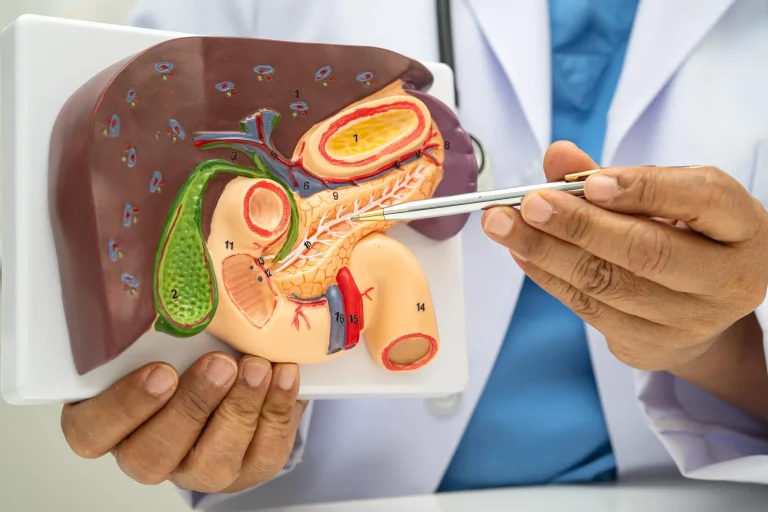

Peptic ulcers can greatly diminish your overall well-being, leading to significant discomfort and pain. However, a holistic management strategy can ease symptoms and foster recovery. This method prioritizes lifestyle adjustments, dietary changes, and expert advice, shifting the focus from mere treatment to prevention. In this article, we will delve into various effective techniques for managing peptic ulcers in a holistic manner.
- Steer Clear of Irritants
Avoiding irritants that may worsen peptic ulcer symptoms is vital. Key irritants include:
- Spicy Foods : While reactions vary among individuals, many with peptic ulcers find spicy foods aggravating. It’s wise to limit such items.
- Acidic Foods : Citrus fruits, tomatoes, and vinegar can irritate the stomach lining; consider cutting back on these.
- Caffeine and Alcohol : Both can stimulate increased stomach acid production and irritation; reducing or eliminating them may alleviate symptoms.
- NSAIDs : Nonsteroidal anti-inflammatory medications like ibuprofen and aspirin can worsen ulcers; consult your physician for alternative pain relief methods.
- Adopt a Nutritious Diet
Consuming a well-rounded diet full of nutrients supports healing and digestive health. Consider adding these foods
- Fruits and Vegetables : Antioxidant-rich options like berries, carrots, and leafy greens help safeguard the stomach lining.
- Whole Grains : Foods such as oats and brown rice are high in fiber which aids digestion.
- Lean Proteins : Choose easily digestible protein sources like chicken, fish, or legumes to support recovery.
- Maintain Hydration
Staying well-hydrated is crucial for digestive health. Water helps dilute stomach acid and eliminate toxins; aim for adequate fluid intake throughout the day. Herbal teas without caffeine can also enhance hydration while offering additional health benefits.
- Incorporate Zinc
Zinc is an important mineral that supports wound healing and immune function. Supplementing with zinc may aid in repairing the stomach lining while potentially easing ulcer symptoms—always consult with a healthcare professional before starting any supplements to determine the proper dosage based on your needs.
- Utilize Probiotics
Probiotics are beneficial microorganisms that promote gut health and assist in healing peptic ulcers. Include probiotic-rich foods such as:
- Yoghurt : Opt for natural varieties without added sugars containing live cultures.
- Kefir : This fermented dairy beverage is rich in probiotics.
- Fermented Foods : Items like sauerkraut, kimchi, or miso are excellent sources that support digestive wellness by restoring beneficial gut bacteria balance—potentially counteracting H. pylori bacteria linked to many peptic ulcers.
- Enjoy Green Tea
Renowned for its antioxidant properties, green tea can enhance digestive health due to catechins that might inhibit H. pylori growth—consider drinking several cups daily as part of your ulcer management plan while being mindful of caffeine content if you’re sensitive.
- Schedule Regular Checkups
Regular appointments with your healthcare provider are key for monitoring your condition related to peptic ulcers—discuss any ongoing symptoms during these visits to ensure an effective treatment plan is in place; routine checkups allow early detection of complications enabling prompt action when necessary.
- Consult a Gastroenterologist
If you have ongoing issues or concerns about peptic ulcers consult a gastroenterologist—they provide specialized care tailored specifically for you by conducting necessary tests and recommending suitable treatments while helping you understand what causes your ulcers—a vital resource for creating an effective management strategy.
A holistic approach to managing peptic ulcers combines avoiding irritants with nutritious eating habits staying hydrated taking supplements seeking professional guidance—all aimed at alleviating discomfort while preventing future flare-ups! Since everyone’s situation differs it’s crucial to find what works best for you prioritizing your health will lead you from suffering towards prevention allowing you greater enjoyment of life overall!
Table of Contents
People also search for this:
Explore reliable options for gallbladder surgery in Navi Mumbai. Learn about procedures, expert surgeons, and post-operative care. Book your consultation today.
Discover reliable options for gallbladder surgery in Kharghar with expert care and advanced techniques. Learn more about procedures, recovery, and trusted healthcare providers near you.
FAQs From Pain to Prevention: Managing Peptic Ulcers Holistically
A peptic ulcer is a sore that develops on the lining of the stomach, small intestine, or esophagus due to acid damage and other contributing factors.
People with peptic ulcers should limit spicy foods, acidic foods, caffeine, alcohol, and NSAID medications that may irritate the stomach lining.
Yes, a balanced diet rich in fruits, vegetables, whole grains, and lean proteins can support healing and improve digestive health.
Proper hydration helps dilute stomach acid, supports digestion, and may reduce irritation in the stomach lining.
Probiotics promote healthy gut bacteria and may help reduce the effects of H. pylori bacteria, which is commonly linked to peptic ulcers.
Yes, green tea contains antioxidants called catechins that may help inhibit H. pylori growth and support digestive health.
Zinc may support wound healing and help repair the stomach lining, but supplements should only be taken after consulting a healthcare professional.
NSAIDs like ibuprofen and aspirin can irritate the stomach lining and worsen ulcer symptoms or increase the risk of complications.
A gastroenterologist should be consulted if symptoms persist, worsen, or frequently recur despite lifestyle and dietary changes.
Regular medical checkups help monitor the condition, detect complications early, and ensure the treatment plan remains effective.
Was this Blog helpful?
Thank you for your feedback!