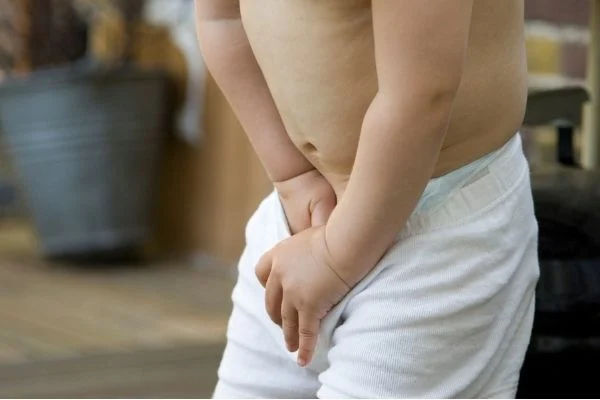
Understanding Phimosis in Children
Phimosis is a common condition in young boys where the foreskin is too tight to be pulled back over the head of the penis. In most cases, phimosis in kids is completely normal and resolves on its own by 5 years of age. However, in some instances, medical intervention may be required. For effective Phimosis Treatment in Navi Mumbai, consult experts at MITR Hospital.
Phimosis in children can be classified into two types:
- Physiological Phimosis: This is a natural condition present from birth and usually resolves by the age of 5 years as the foreskin gradually loosens.
- Pathological Phimosis: This occurs due to infections, scarring, or inflammation, leading to difficulties in urination and discomfort.
When to Seek Medical Help for Phimosis?
While mild phimosis is normal, parents should consult a pediatric urologist at Mitr Hospital in Navi Mumbai if they notice the following symptoms:
- Painful urination or discomfort
- Ballooning of the foreskin while urinating
- Recurrent infections (balanitis)
- Redness, swelling, or pus discharge
Difficulty in retracting the foreskin Treatment Options for Phimosis in Kids
Non-Surgical Treatments
- Topical Steroid Creams: These help loosen the foreskin gradually. It’s given for a short duration of 3 weeks.
- Gentle Stretching Exercises: Under medical supervision, gentle stretching can loosen the foreskin.
- Good Hygiene Practices: Keeping the area clean reduces the risk of infections.
Surgical Treatment
Phimosis Treatment in Navi Mumbai at MITR Hospital includes both non-surgical and surgical options. If non-surgical methods fail, surgical removal of the foreskin, called circumcision, may be recommended to relieve symptoms and prevent complications.
Preventing Phimosis-Related Complications
- Teach proper hygiene habits from an early age.
- Avoid forcefully retracting the foreskin.
- Consult a doctor if infections or discomfort persist.
FAQs About Phimosis in Children
Physiological phimosis is usually painless, but if infections occur, it may cause discomfort.
Most cases resolve by the age of 5 years, but some boys may take longer.
No, mild cases can be treated with creams and stretching exercises. Surgery is only needed if symptoms persist.
Untreated pathological phimosis can lead to infections, difficulty urinating, and pain.
Mitr Hospital in Navi Mumbai offers expert consultation and treatment for phimosis in children.
Conclusion
Phimosis Treatment in Navi Mumbai is offered at MITR Hospital. Phimosis in kids is usually normal and resolves with time. However, if symptoms persist, seeking medical help at MITR Hospital in Navi Mumbai ensures quality care for your child. Early diagnosis and appropriate treatment can prevent complications and comfort your child.
FAQs Is Phimosis in Kids Normal? When to Seek Medical Help
Phimosis is a condition where the foreskin is too tight to be pulled back over the head of the penis. It is common in young boys and is usually normal during childhood.
Phimosis can occur naturally from birth (physiological phimosis) or due to infections, inflammation, or scarring (pathological phimosis).
In most children, physiological phimosis gradually improves and resolves on its own by around 5 years of age.
Symptoms may include painful urination, ballooning of the foreskin while urinating, redness, swelling, infections, or difficulty retracting the foreskin.
Parents should seek medical advice if the child experiences pain, recurrent infections, swelling, pus discharge, or difficulty passing urine.
Yes, mild cases of phimosis can often be treated with topical steroid creams, gentle stretching exercises, and proper hygiene practices.
Topical steroid creams help soften and loosen the foreskin gradually, making retraction easier over time.
No, surgery is only recommended if non-surgical treatments fail or if the child has recurring infections or severe symptoms.
Yes, poor hygiene can increase the risk of infections and inflammation, which may worsen phimosis.
Phimosis treatment for children is available at MITR Hospital, offering both non-surgical and surgical treatment options.
Was this Blog helpful?
Thank you for your feedback!