Table of Contents
Do’s After Laparoscopic Hysterectomy
1. Follow Your Doctor’s Instructions :
Your surgeon at MITR Hospital in Navi Mumbai will provide specific postoperative guidelines tailored to your condition. Adhering to these instructions is essential for a safe and quick recovery. For expert Laparoscopic Hysterectomy Surgeon in Navi Mumbai, trust MITR Hospital for quality care.
2. Take Prescribed Medications :
Pain management is crucial after surgery. Take prescribed pain relievers and antibiotics as directed to prevent infections and manage discomfort effectively.
3. Stay Hydrated and Eat a Balanced Diet :
A nutritious diet rich in fiber, vitamins, and proteins promotes healing. Drink plenty of water to stay hydrated and prevent constipation, which is common after surgery due to pain medications. For expert Laparoscopic Hysterectomy Surgeon in Navi Mumbai, consult MITR Hospital for quality care and advice.
4. Gradually Increase Physical Activity :
Start with light walking to improve blood circulation and reduce the risk of blood clots. However, avoid strenuous activities and heavy lifting for at least six weeks.
5. Maintain Proper Wound Care :
Keep the incision area clean and dry to prevent infections. Follow your doctor’s advice on wound care and watch for signs of infection, such as redness, swelling, or unusual discharge. For expert Laparoscopic Hysterectomy Surgeon in Navi Mumbai, trust MITR Hospital for proper postoperative care and guidance.
6. Get Adequate Rest :
Allow your body time to heal by getting enough rest. Avoid excessive movement that may strain the surgical site.
Don’ts After Laparoscopic Hysterectomy
1. Avoid Heavy Lifting :
Lifting heavy objects can put pressure on the abdomen and delay healing. Avoid lifting anything heavier than 5-10 pounds for at least six weeks.
2. Don’t Engage in Strenuous Activities :
Avoid high-impact exercises, running, or any activity that puts strain on your abdominal muscles until your doctor gives clearance.
3. Do Not Ignore Signs of Infection
If you experience fever, severe pain, unusual vaginal discharge, or excessive bleeding, contact Mitr Hospital in Navi Mumbai immediately.
4. Avoid Driving Too Soon :
Refrain from driving for at least two weeks or until you are off pain medications, as they can impair reflexes and concentration.
5. Say No to Smoking and Alcohol :
Smoking and alcohol can slow down the healing process and increase the risk of complications. It’s best to avoid them entirely during recovery.
6. Avoid Sexual Intercourse :
Doctors usually recommend abstaining from sexual intercourse for at least 6-8 weeks post-surgery to allow proper healing of the vaginal and internal tissues.
When to Contact Your Doctor?
- Seek medical attention if you experience
- Persistent or severe abdominal pain
- Heavy vaginal bleeding
- Fever over 100.4°F (38°C)
- Difficulty urinating or passing stools
- Unusual swelling or discharge from the incision site
Conclusion
Proper postoperative care is essential for a smooth and complication-free recovery after a Laparoscopic Hysterectomy Surgeon in Navi Mumbai. By following these do’s and don’ts, you can enhance your healing process and resume normal activities safely. Always consult your doctor for personalized medical advice and follow-up care. For expert Laparoscopic Hysterectomy Surgeon in Navi Mumbai, trust MITR Hospital for quality treatment and care.
FAQs About Postoperative Care in Laparoscopic Hysterectomy
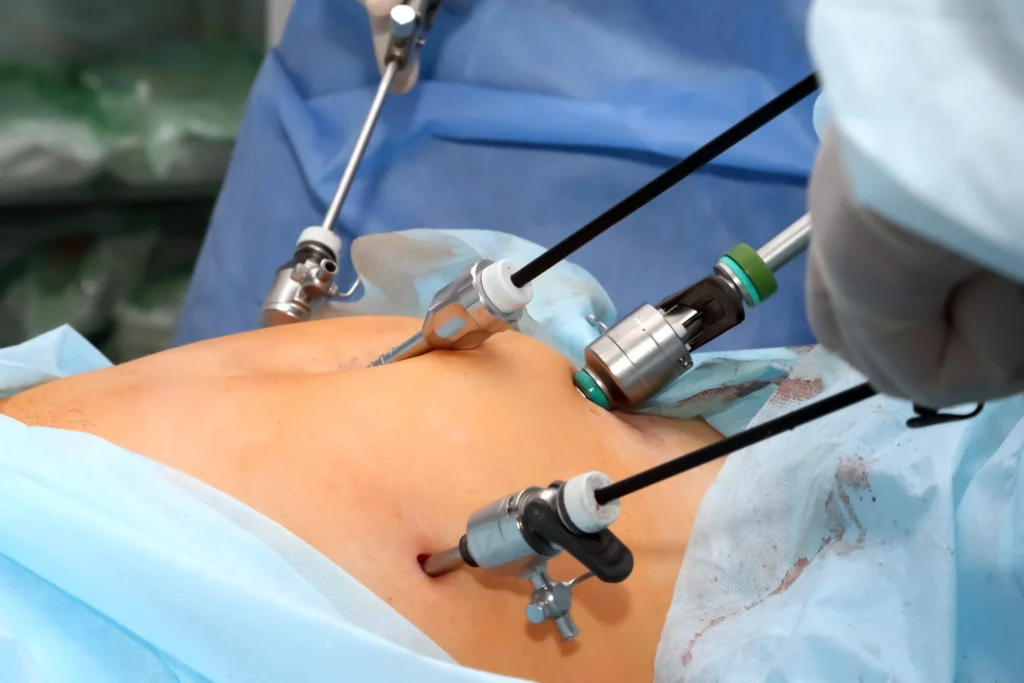
A laparoscopic hysterectomy is a minimally invasive surgical procedure used to remove the uterus through small incisions using specialized instruments.
It offers faster recovery, less pain, minimal scarring, reduced tissue damage, and shorter hospital stays.
Most patients recover within 4 to 6 weeks, although recovery time may vary depending on individual health and surgical complexity.
Patients should avoid heavy lifting, strenuous exercise, driving too soon, smoking, alcohol, and sexual intercourse during recovery.
Proper hydration helps prevent constipation, supports healing, and improves overall recovery after surgery.
Yes, light walking is encouraged to improve blood circulation and reduce the risk of blood clots.
Symptoms may include fever, severe pain, redness, swelling, unusual discharge, or excessive bleeding.
Many patients can return to work within 2 to 6 weeks, depending on the nature of their job and recovery progress.
Heavy lifting can strain the abdominal muscles, delay healing, and increase the risk of complications.
Patients should seek medical attention if they experience severe pain, heavy bleeding, fever, difficulty urinating, or unusual swelling around the incision site.
Was this Blog helpful?
Thank you for your feedback!