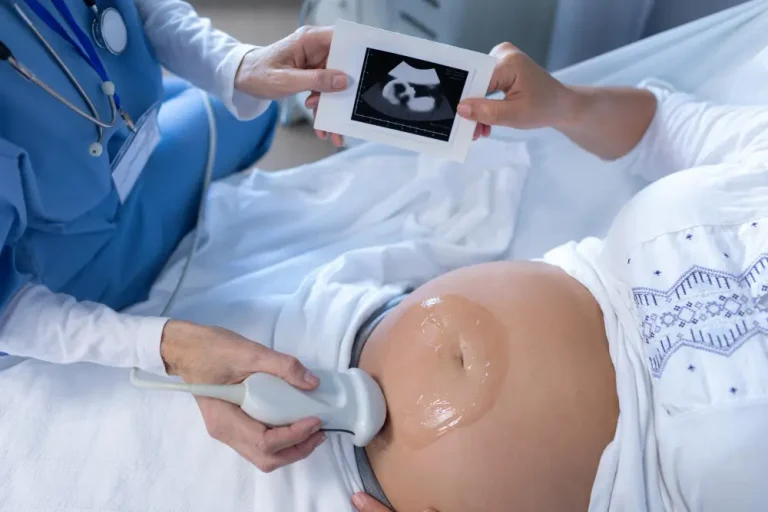
(Gynecologist) When it comes to fertility, a comprehensive evaluation is crucial for both partners. While male fertility can often be assessed with a simple semen analysis, females undergo a more detailed examination. This typically includes biochemical, endocrinal, and structural assessments, the latter revealing potential issues within reproductive organs. Ovarian cysts, particularly in conditions like PCOD, can impact the egg-release process, emphasizing the need for intervention.
Table of Contents
The Role of Ovarian Cysts in Infertility (Gynecologist):
Ovarian cysts come in various forms, with one variant potentially affecting fertility due to an enlarged mass altering the anatomical arrangement of reproductive organs. This scenario often necessitates a targeted approach known as Laparoscopic Ovarian Cystectomy, a surgical intervention designed to correct structural abnormalities and enhance fertility prospects.
Laparoscopic Ovarian Cystectomy Explained:
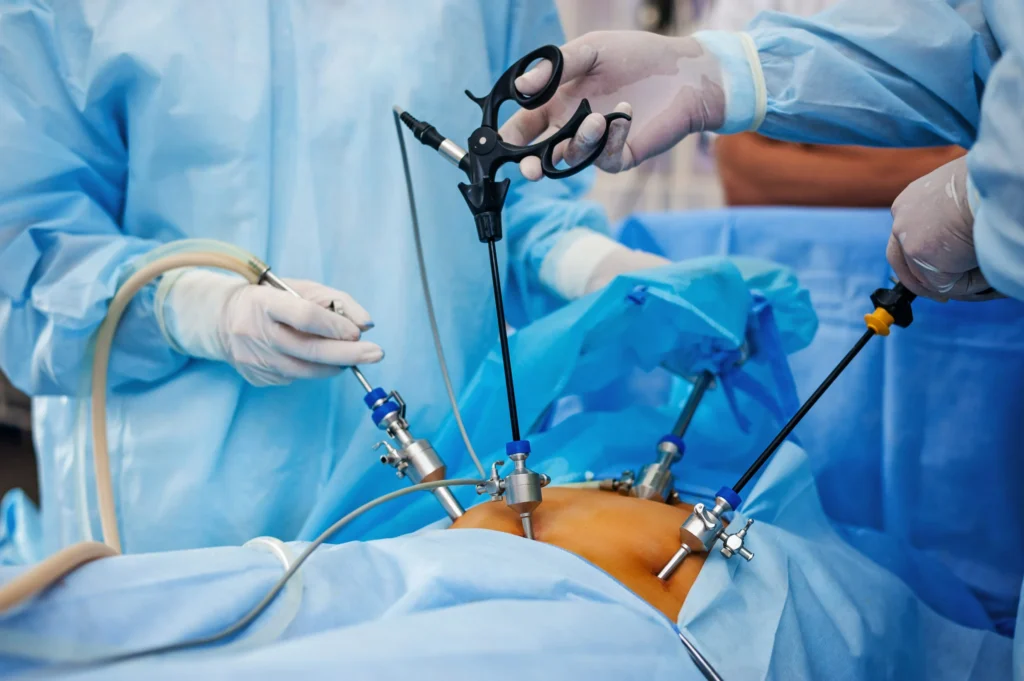
Laparoscopic Ovarian Cystectomy is a minimally invasive surgical procedure aimed at removing or draining cystic collections within the ovary. The primary objective is to preserve as much fertile ovarian tissue as possible, ensuring minimal disruption to reproductive capabilities. This can be achieved through advanced techniques such as laparoscopic-assisted robotic surgery or traditional laparoscopy. Conducted under anaesthesia, this procedure offers several advantages, including minimal pain, rapid recovery, and virtually no visible scarring.
Post-Surgery Fertility Planning:
Following Laparoscopic Ovarian Cystectomy, couples can resume planning for conception with renewed optimism. The surgical correction addresses structural concerns, creating a conducive environment for natural conception. However, it’s important to note that while the procedure significantly enhances fertility, there is a possibility that cysts may reform over time.
Conclusion:
Understanding the intricate relationship between ovarian cysts and fertility is crucial for couples navigating the challenges of conception. Laparoscopic Ovarian Cystectomy emerges as a pivotal solution, allowing for targeted correction with minimal disruption. As couples embark on their fertility journey post-surgery, they can find hope in the advancements of minimally invasive techniques and the potential for a successful and fulfilling conception.
FAQs Navigating fertility challenges: understanding laparoscopic ovarian cystectomy
Female fertility evaluation usually includes hormonal tests, biochemical investigations, and structural assessments of reproductive organs to identify potential causes of infertility.
Yes. Certain ovarian cysts can interfere with ovulation and may alter the normal anatomy of reproductive organs, affecting fertility.
Women with PCOD may develop multiple cyst-like follicles in the ovaries, which can affect the normal release of eggs and impact fertility.
Laparoscopic Ovarian Cystectomy is a minimally invasive surgical procedure used to remove or drain ovarian cysts while preserving healthy ovarian tissue.
The procedure is performed to remove cysts that may cause symptoms, structural abnormalities, or fertility-related problems.
The procedure is specifically designed to preserve as much healthy ovarian tissue as possible and may improve fertility outcomes in suitable cases.
Benefits include smaller incisions, less pain, quicker recovery, minimal blood loss, and little to no visible scarring.
After adequate recovery and medical guidance, couples can generally resume planning for conception following the procedure.
Yes. Although surgery removes existing cysts, there is still a possibility that new cysts may develop over time.
Laparoscopic surgery is commonly considered a safe and effective procedure when performed by experienced specialists and offers a minimally invasive approach to treatment.
Was this Blog helpful?
Thank you for your feedback!