Introduction:
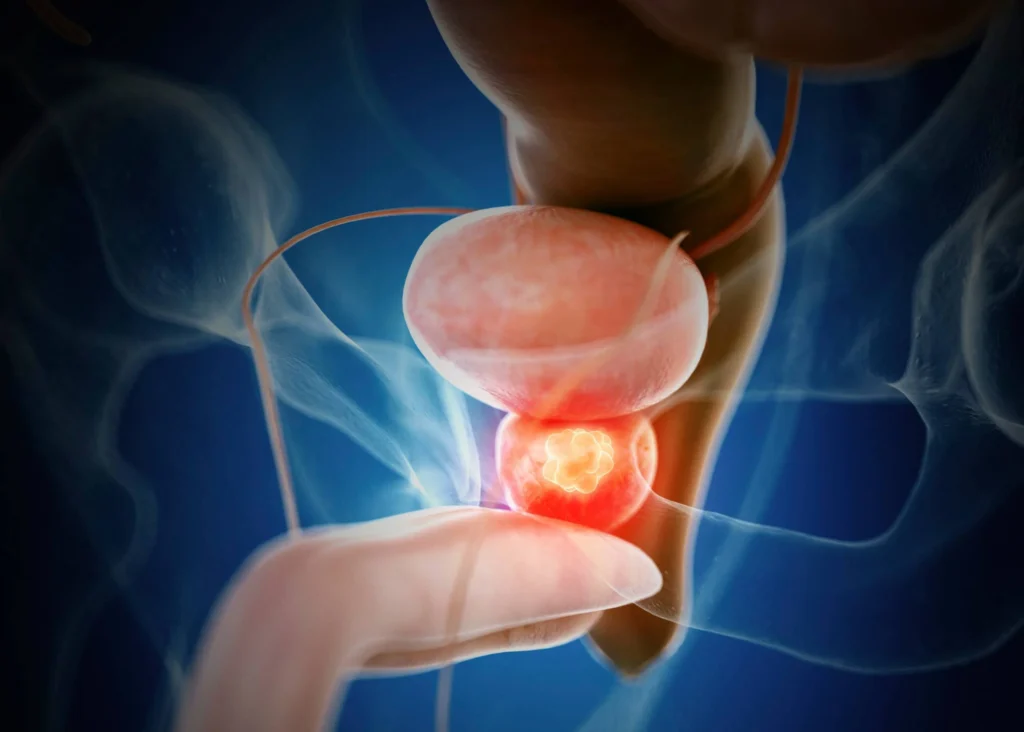
Prostate cancer in Kharghar, Navi Mumbai is a significant health concern for men worldwide, affecting millions every year. Understanding its early signs, available treatments, and lifestyle adjustments can make a substantial difference in managing the condition effectively.
Identifying Symptoms:
Recognizing the symptoms of prostate cancer in its early stages is crucial for prompt intervention. These can include:
- Dull pain in the lower pelvic area
- Frequent urination
- Difficulty urinating, accompanied by pain, burning sensations, or a weak urine flow
- Presence of blood in the urine (hematuria)
- Painful ejaculation
- Discomfort in the lower back, hips, or upper thighs
- Loss of appetite and weight
- Bone pain
Treatment Options:
When diagnosed early, prostate cancer offers various treatment avenues tailored to each individual’s needs:
- Active Surveillance: Monitoring the cancer’s progression without immediate intervention, suitable for slow-growing tumors.
- Watchful Waiting: Similar to active surveillance but involves monitoring symptoms rather than cancer progression.
- Radiation Therapy: Using high-energy rays to target and destroy cancer cells, often recommended alongside other treatments.
- Surgery: Surgical procedures aim to remove the cancerous prostate gland. There are four primary types of radical prostatectomy surgery:
- Robotic Assisted Laparoscopic Radical Prostatectomy (RALP)
- Retropubic Open Radical Prostatectomy
- Perineal Open Radical Prostatectomy
- Laparoscopic Radical Prostatectomy
Living with Prostate Cancer:
Managing life with prostate cancer involves more than medical treatments; it encompasses lifestyle adjustments and holistic care:
- Exercise: Regular physical activity can improve overall health and help manage symptoms such as fatigue and pain associated with prostate cancer.
- Mental Health: Coping with a cancer diagnosis can be emotionally challenging. Seeking support from loved ones or professional counseling can provide valuable emotional support.
- Prostate Cancer Diet: Maintaining a balanced diet rich in fruits, vegetables, whole grains, and lean proteins can support overall health and aid in managing side effects of treatment.
Conclusion:
Prostate cancer is a multifaceted condition that requires a comprehensive approach to management. By understanding its symptoms, exploring available treatment options, and adopting a healthy lifestyle, individuals diagnosed with prostate cancer can navigate their journey with resilience and hope
FAQs Navigating Prostate Cancer: Understanding Symptoms, Treatment, and Lifestyle
Prostate cancer is a type of cancer that develops in the prostate gland, a small gland in men responsible for producing seminal fluid.
Early symptoms may include frequent urination, difficulty urinating, weak urine flow, pelvic pain, blood in urine, and painful ejaculation.
Yes. Advanced prostate cancer may cause pain in the lower back, hips, upper thighs, or bones.
Early detection increases the chances of successful treatment and allows for more treatment options with better outcomes.
Active surveillance involves closely monitoring slow-growing prostate cancer without immediate treatment unless the condition progresses.
Treatment options may include active surveillance, radiation therapy, surgery, and other personalized cancer management approaches.
RALP is a minimally invasive robotic surgery used to remove the cancerous prostate gland with enhanced precision and smaller incisions.
Yes. Regular physical activity may improve overall health, reduce fatigue, and support recovery during prostate cancer treatment.
A balanced diet rich in fruits, vegetables, whole grains, and lean proteins may help support overall health and recovery.
Emotional support, counseling, and stress management can help patients cope better with the psychological impact of a prostate cancer diagnosis and treatment.
Was this Blog helpful?
Thank you for your feedback!