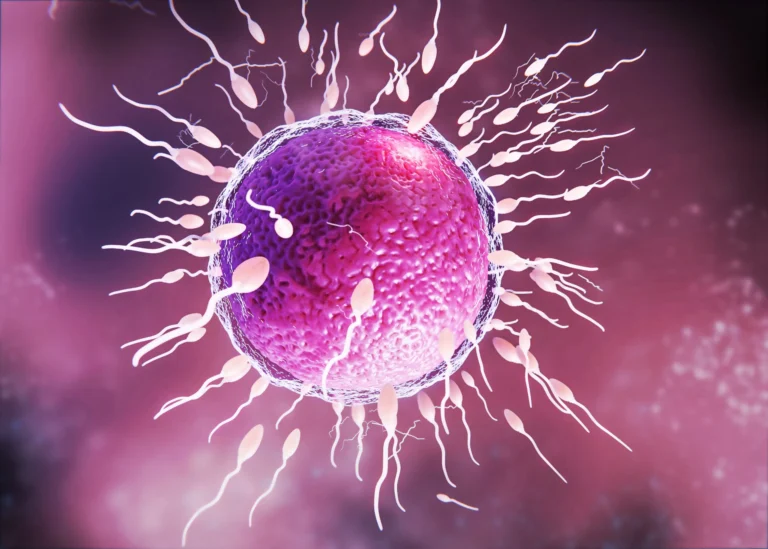
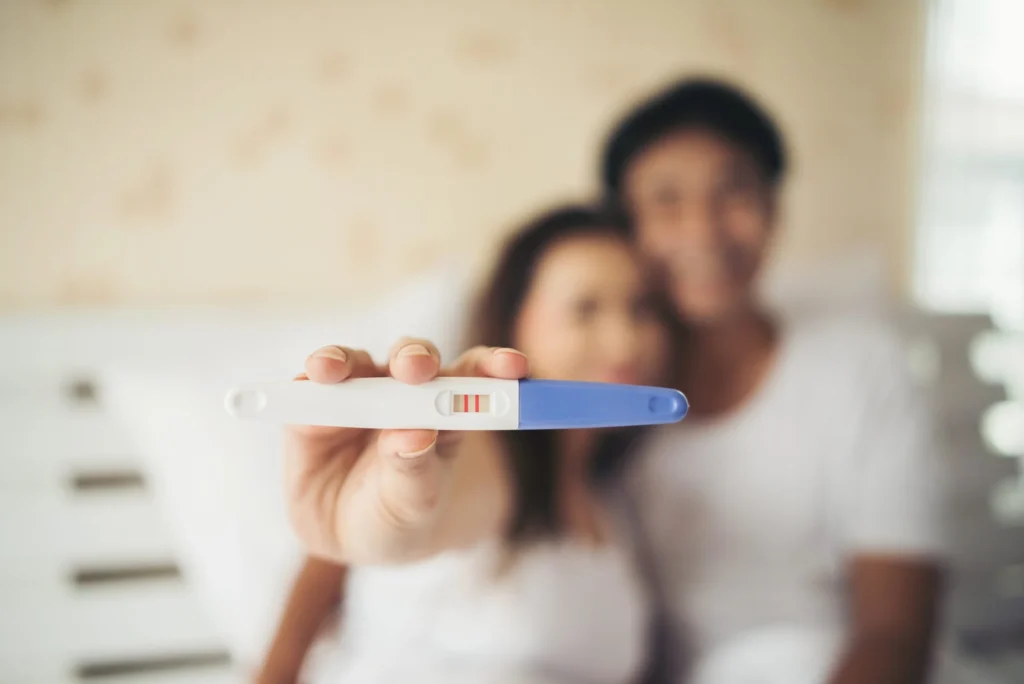
Navigating fertility challenges is a deeply personal and often complex journey that touches the lives of many. Faced with the intricate tapestry of emotional, physical, and societal factors, those on this path find themselves in uncharted territory. From the initial hopes and dreams of starting a family to the reality of fertility struggles, the road can be both emotionally taxing and medically demanding.
Seeking professional guidance, exploring treatment options, and fostering open conversations can play pivotal roles in navigating this intricate landscape, offering solace and hope for those confronting fertility challenges.
Hysteroscopic Septal Resection emerges as a promising treatment option for individuals navigating fertility challenges, particularly those hindered by the uterine septum, a common structural anomaly. The Hysteroscopic Septal Resection is a surgical procedure performed under anaesthesia by trained Gynecologists. This procedure involves the removal of the septum (a wall of tissue within the uterine cavity) through a hysteroscope, a thin, lighted tube inserted through the cervix into the uterus.
A uterine septum, whether congenital or acquired, can contribute to infertility by impeding the implantation of a fertilized embryo into the uterine cavity. Additionally, in certain instances, pregnancies may erroneously implant onto the septum, posing challenges to successful gestation.
By precisely excising the septum, hysteroscopic septal resection aims to optimize the uterine environment for successful conception and implantation. This intervention not only addresses anatomical barriers that may impede fertility but also enhances the chances of a healthy pregnancy.
Hysteroscopic Septal Resection also offers several benefits as a treatment option:
- Enhanced Fertility Potential – By creating a more conducive uterine environment, hysteroscopic septal resection can increase fertility.
- Minimally Invasive – This surgical intervention is minimally invasive, conducted through a hysteroscope inserted into the uterus via the cervix. This reduces the need for extensive incisions and shortens recovery time compared to traditional open surgeries.
- Preservation of Uterine Structure – Hysteroscopic septal resection allows for the targeted removal of the septum while preserving the overall structure of the uterus. This is crucial for maintaining the integrity of the reproductive organ.
- Reduced Pregnancy Risks – The procedure lowers the risk of pregnancy complications associated with improper implantation, such as miscarriages or preterm births. This contributes to healthier pregnancies.
- Shorter Recovery Time – Compared to more invasive surgical approaches, hysteroscopic septal resection typically involves a shorter recovery period. Patients can often resume normal activities sooner, promoting a quicker return to daily life.
- Diagnostic Capability – In addition to therapeutic benefits, hysteroscopic septal resection provides a diagnostic opportunity to assess the uterine cavity, aiding in the identification and treatment of other potential issues contributing to fertility challenges.
In summary, Hysteroscopic Septal Resection stands as a valuable and effective option for individuals seeking to overcome fertility obstacles, offering a range of advantages that contribute to improved reproductive outcomes. With the right knowledge, expertise and guidance, the dream of parenthood is not far away anymore!
FAQs Navigating Fertility Challenges – Hysteroscopic Septal Resection as a Solution
Hysteroscopic Septal Resection is a minimally invasive surgical procedure used to remove a uterine septum and improve fertility outcomes.
A uterine septum is a wall of tissue inside the uterus that may be present from birth or develop later, potentially affecting fertility and pregnancy outcomes.
A uterine septum can interfere with the implantation of a fertilized embryo and may contribute to infertility or recurrent pregnancy loss.
The procedure is performed under anesthesia using a hysteroscope, which is inserted through the cervix into the uterus to remove the septum.
No. It is considered a minimally invasive procedure because it does not require large incisions and generally involves less discomfort and quicker recovery.
Yes. By removing the uterine septum and improving the uterine environment, the procedure may increase the chances of conception and successful pregnancy.
Yes. The procedure may lower the risk of complications such as miscarriage, implantation issues, and preterm birth associated with a uterine septum.
Recovery is usually shorter compared to traditional surgeries, and many patients can return to normal activities relatively quickly.
Yes. Hysteroscopic Septal Resection is designed to remove only the septum while preserving the structure and function of the uterus.
Yes. During hysteroscopy, doctors can evaluate the uterine cavity and identify additional abnormalities that may contribute to fertility challenges.
Was this Blog helpful?
Thank you for your feedback!