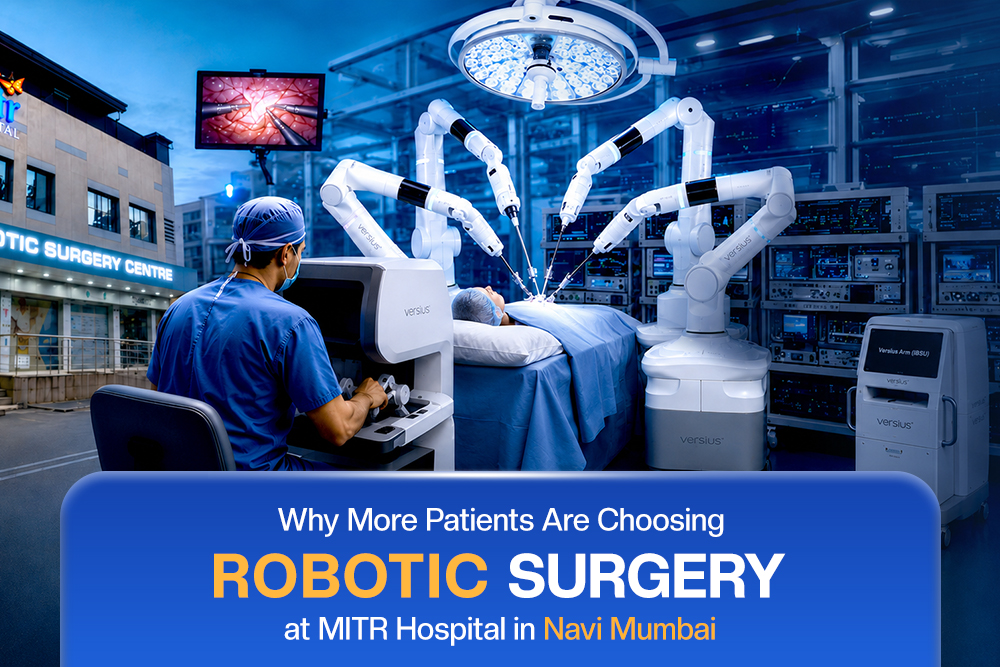
Medical science has improved greatly over the years. Earlier, most medical procedures required large incisions to treat internal conditions. They resulted in increased pain, longer hospital stays, and bigger scars. Later, laparoscopic surgery made treatment easier for patients by using smaller incisions and specialized instruments.
Today, robotic-assisted surgery has become a game changer for various surgical conditions. Every year, more patients seek safer, less painful, and better surgical options. There is a growing preference for robotic surgery among patients in Navi Mumbai compared with traditional surgical approaches.
Table of Contents
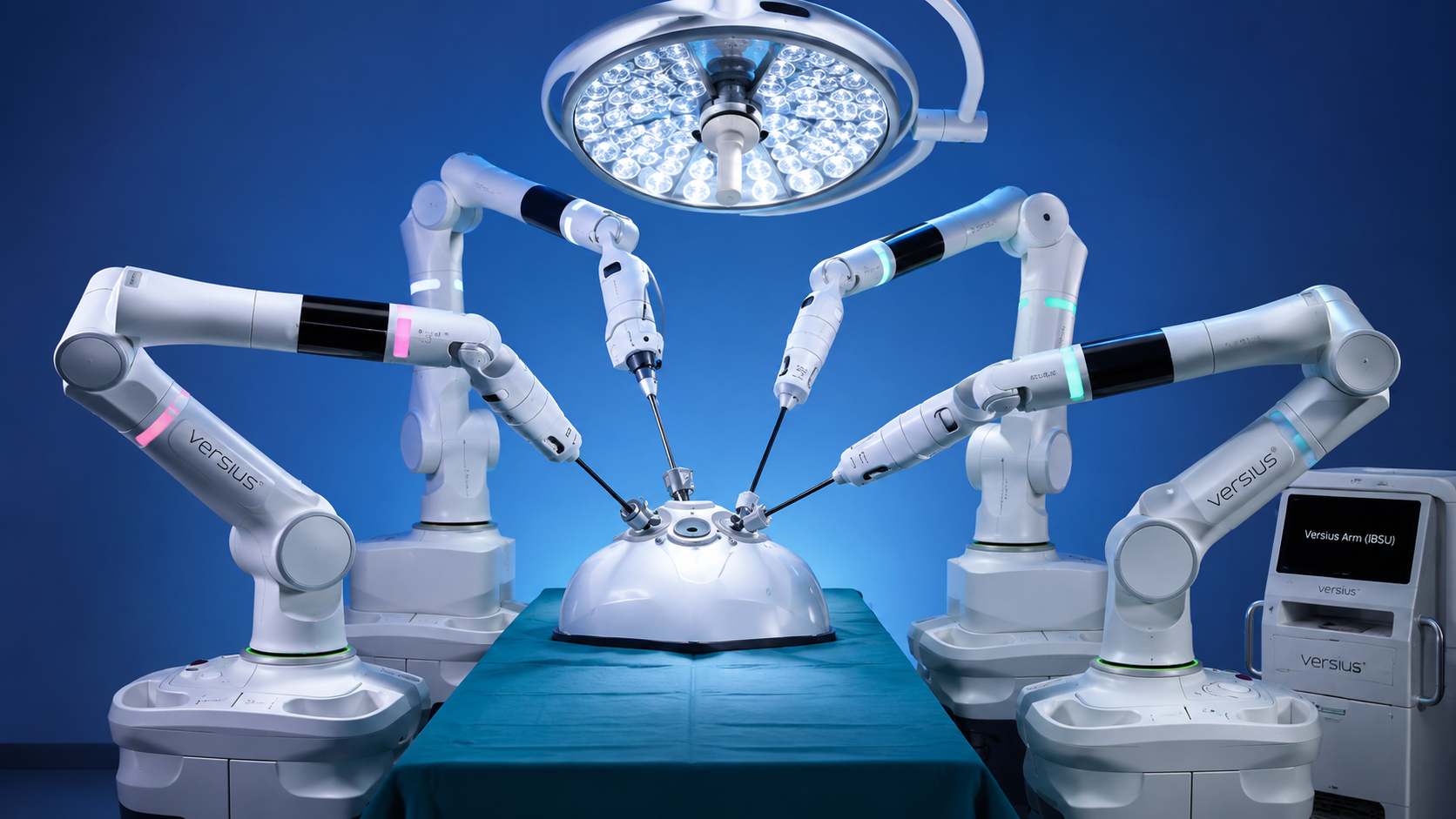
Robotic surgery is a modern minimally invasive surgical technique performed using a robot which is controlled by the surgeon. Despite the name, the robot does not handle the entire process on its own. The surgeon retains full control of the robot.
The robotic system translates the surgeon’s hand movements into highly precise movements of surgical instruments. The use of this technology facilitates precision during surgeries in difficult-to-reach areas of the body.

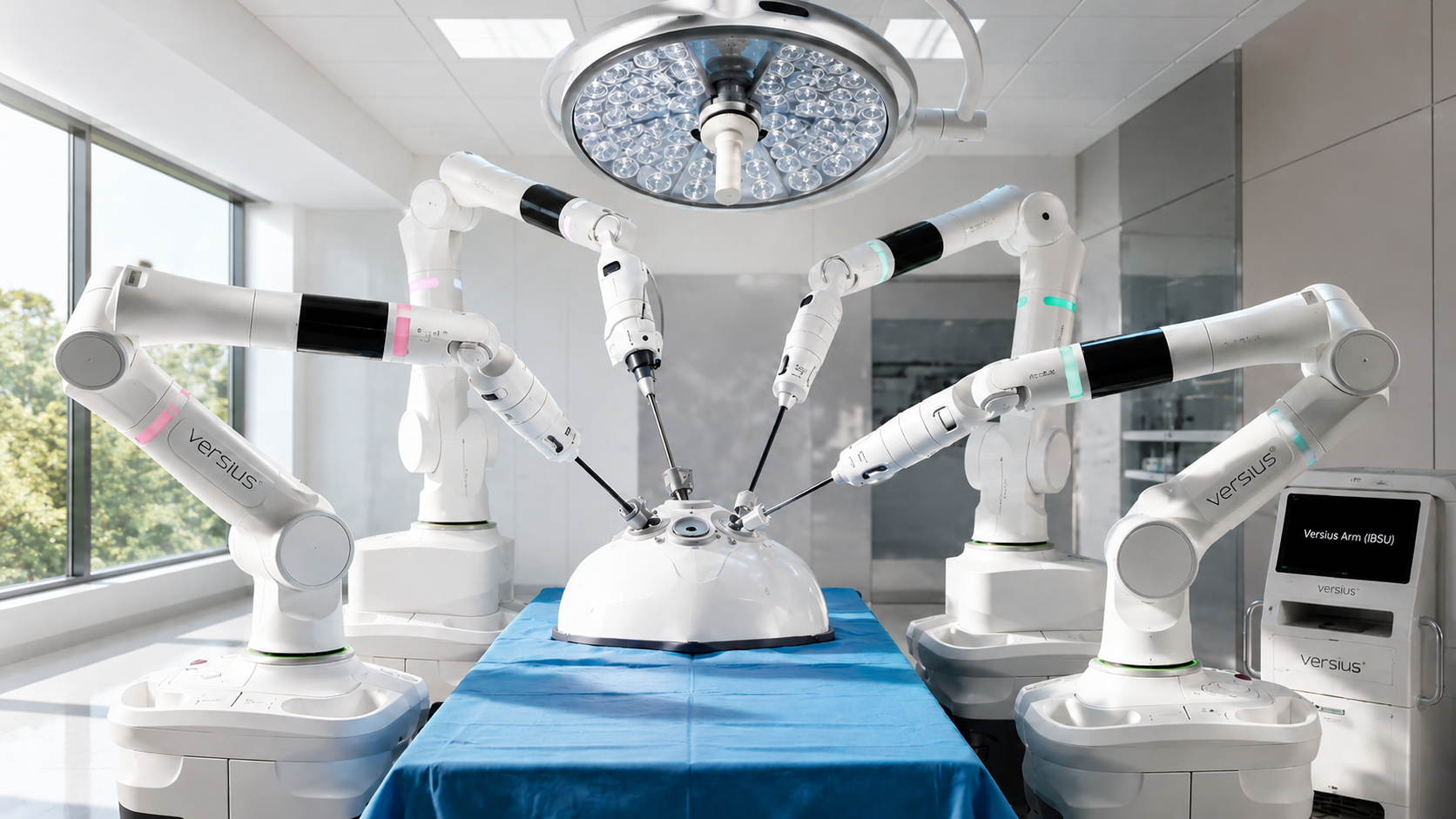
To understand why robotic surgery is highly accurate and safe, it is necessary to understand how the system works in the operating room. There are three main components within the
Robotic Surgery Centre:
During surgery, the surgeon’s motions are converted into the exact motions of the instruments. This system eliminates natural hand tremors and enables highly controlled movements.
| Feature | Traditional Surgery | Robotic Surgery |
|---|---|---|
| Incision Size | Larger | Smaller |
| Precision | Good | Excellent |
| Recovery time and hospital stay | Longer | Shorter |
| Post surgery scar | More Visible | Minimal |
| Surgeon Visualization | Standard | High-Definition 3D View |
Robotics can offer multiple benefits over traditional surgical procedures by using small incisions and extremely precise tools, allowing patients to recover more comfortably.
Smaller incisions cause less trauma to muscles and surrounding tissues, resulting in less postoperative pain and reduced need for pain medication.
The high-definition 3D imagery and surgical tools used assist the surgeon in identifying vital blood vessels, thereby reducing bleeding.
Robotic surgery uses small incisions that generally result in smaller, less noticeable scars and improved cosmetic outcomes compared with traditional open surgery.
Since the body undergoes less surgical trauma, recovery is much faster. Many patients are able to walk within a day after surgery and may be discharged within a few days, depending on the procedure performed.
Smaller incisions reduce tissue exposure and may lower the risk of postoperative infection, thereby supporting faster recovery.
Robotic technology is versatile and is used across several surgical specialties. It enables surgeons to operate with greater precision in anatomically complex or difficult-to-reach areas of the body. The following table summarizes the medical specialties and conditions treated at the contemporary Robotic Surgery Centre in Navi Mumbai:
| Medical Department | Common Health Conditions Treated | Primary Benefit of Using Robotics |
|---|---|---|
| Urology | Prostate cancer, kidney tumors, bladder disorders, kidney stones, and ureteric obstruction. | Protects delicate nerves controlling urinary functions and reproductive health. |
| Gynecology | Uterine fibroids, severe endometriosis, ovarian cysts, pelvic organ prolapse, hysterectomy. | Helps preserve delicate pelvic tissues and, in selected cases, may help preserve fertility depending on the underlying condition and procedure . |
| Gastrointestinal Surgery | Colorectal cancer, severe acid reflux (GERD), gallstones, complex abdominal hernias, stomach tumors. | Enables precise, clean stitching inside narrow abdominal areas. |
| Bariatric Surgery | Severe clinical obesity requiring gastric bypass or sleeve gastrectomy. | Safely navigates thick tissue layers with high visualization. |
A specialized Robotic Surgery Centre is usually chosen by patients for its modern technologies and medical professionals specializing in this field. These centres ensure that surgeons receive specialized training in robotic-assisted surgical procedures.
Moreover, centres devoted to robotic surgery practice stringent safety standards, maintain equipment check regularly, and follow well-established protocols. The integration of medical knowledge and technology creates a conducive environment that improves surgical outcomes and patients’ confidence.
Navi Mumbai has emerged as one of the best healthcare locations, allowing people to get high-quality healthcare without traveling to the crowded areas of Mumbai. Some of the advantages of the Robotic Surgery Centre in Navi Mumbai include:

Knowing the entire process involved in robotic surgery will make patients feel less anxious. All processes are planned in advance and are monitored by medical personnel.
Patients undergo preoperative evaluations, including blood tests, ECG, and imaging studies, to determine their suitability for surgery. Patients’ medications are reviewed, and some individuals may be advised to temporarily stop certain medicines, such as anticoagulants (blood thinners), before surgery. Patients are usually advised to avoid eating or drinking for 6 hours before surgery as part of standard preoperative fasting guidelines.
General anesthesia is administered so that the patient remains unconscious and does not experience pain during the procedure. The surgeon makes several small incisions through which a 3D camera and robotic instruments are inserted. The instruments will be removed, and the small incisions will be stitched up.
The patient will be transferred to the recovery room with monitoring of vital signs. Because robotic surgery involves smaller incisions, patients generally experience less postoperative pain. The patients may feel minor pain at the site of incisions. Depending on the type of surgery and the surgeon’s advice, patients may gradually resume oral intake after the procedure. Early mobilization is encouraged to support recovery, and patients receive detailed discharge instructions regarding medications, wound care, activity restrictions, and follow-up appointments.
Choosing the most appropriate surgical approach can significantly influence treatment outcomes and recovery. If you or a family member is scheduled for a medical procedure in the near future, it is advisable to consult thoroughly with your doctor about robotic surgery.
Inquire whether your specific disorder is treatable with robotics, determine the recovery time required, and select an hospital establishment with a reputation for excellence in clinical services.
Robotic surgery is an advanced form of minimally invasive surgery in which the surgeon performs the procedure using a robotic-assisted surgical system.
Yes. Robotic surgery is considered safe when performed by experienced surgeons at a specialized Robotic Surgery Centre. The surgeon remains in complete control of the robotic system throughout the procedure.
Robotic surgery is commonly used to treat conditions such as prostate cancer, kidney disorders, uterine fibroids, ovarian cysts, endometriosis, colorectal cancer, gallstones, abdominal hernias, bariatric conditions, and other complex surgical diseases.
For many procedures, robotic surgery offers advantages such as smaller incisions, greater surgical precision, less pain, minimal scarring, lower risk of infection, and quicker recovery. However, the most suitable surgical approach depends on the patient’s condition and should be decided by the treating surgeon.
Recovery varies depending on the type of procedure and the patient’s overall health. Many patients are able to walk within 24 hours and return to their normal daily activities sooner than with traditional open surgery.
Robotic surgery uses small incisions, which generally result in smaller and less noticeable scars compared with traditional open surgery. Proper wound care can further improve cosmetic healing.
Robotic surgery may help reduce certain complications, such as excessive blood loss, infection risk, and damage to surrounding healthy tissues, because of its enhanced precision and minimally invasive approach.
When selecting a Robotic Surgery Centre in Navi Mumbai, consider factors such as the experience of the robotic surgeons, availability of advanced robotic technology, hospital infrastructure, patient safety protocols, multidisciplinary care, and postoperative support to ensure the best possible surgical outcomes.
Robotic surgery is not limited by age alone. Whether a patient is a suitable candidate depends on factors such as their overall health, medical history, and the specific condition being treated.
Yes. Robotic surgery is widely used for treating certain types of cancer, including prostate, kidney, colorectal, and gynecological cancers.
| Monday | Tuesday | Wednesday | Thursday | Friday | Saturday | Sunday |
|---|