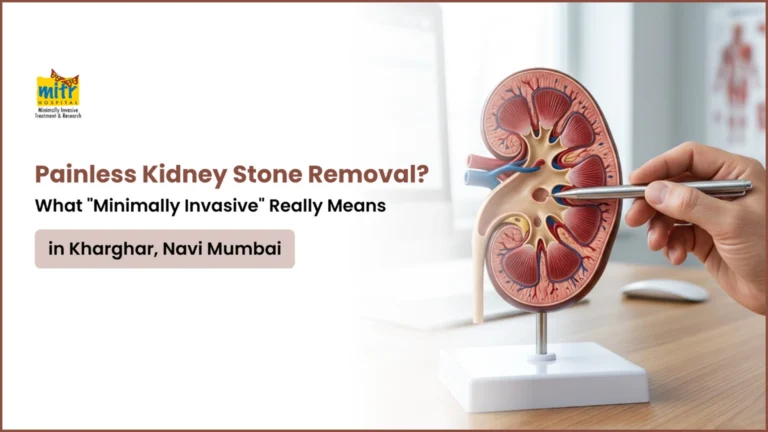
Living with chronic kidney disease (CKD) requires proactive management to maintain kidney health and slow down its progression. Here are ten key strategies to incorporate into your daily routine:
- Prioritize Blood Pressure Control: High blood pressure is a common complication of CKD, so it’s crucial to keep it in check. Work closely with your healthcare provider to monitor and manage your blood pressure effectively.
- Manage Blood Glucose Levels: If you have diabetes, controlling your blood glucose levels is vital for kidney health. Collaborate with your healthcare team to achieve and maintain your target blood glucose levels.
- Regular Kidney Health Monitoring: Stay vigilant about your kidney health by scheduling regular check-ups with your healthcare team. They can monitor your kidney function and make necessary adjustments to your treatment plan.
- Adhere to Medication Regimens: Take your prescribed medications as directed by your healthcare provider. Medications play a significant role in managing CKD and its complications.
- Customize Your Diet Plan: Consult with a registered dietitian to develop a personalized meal plan that supports kidney health. A balanced diet tailored to your specific needs can help manage CKD and prevent further complications.
- Incorporate Physical Activity: Make exercise a regular part of your routine. Engaging in physical activity not only benefits your overall health but also supports kidney function.
- Maintain a Healthy Weight: Aim for a healthy weight by adopting lifestyle habits that promote weight management. Healthy eating, regular exercise, and portion control can help achieve and maintain an optimal weight.
- Prioritize Quality Sleep: Ensure you get enough restorative sleep each night. Poor sleep can negatively impact kidney function and overall health. Establish a bedtime routine and create a sleep-friendly environment to improve sleep quality.
- Quit Smoking: If you smoke, take steps to quit. Smoking can worsen kidney damage and increase the risk of kidney disease progression. Seek support from healthcare professionals or smoking cessation programs to successfully quit smoking.
- Manage Stress and Depression: Find healthy ways to cope with stress and depression. Chronic stress and depression can exacerbate CKD symptoms and affect overall well-being. Explore relaxation techniques, mindfulness practices, or seek professional support to manage stress effectively.
Incorporating these ten strategies into your daily life can help you effectively manage chronic kidney disease, preserve kidney function, and enhance your overall quality of life. Remember to work closely with your healthcare team to tailor these strategies to your individual needs and circumstances. By taking proactive steps, you can empower yourself to live well with CKD.
FAQs 10 Essential Strategies for Managing Chronic Kidney Disease
Chronic kidney disease is a long-term condition in which the kidneys gradually lose their ability to function properly.
High blood pressure can worsen kidney damage, so maintaining healthy blood pressure levels is essential for slowing CKD progression.
Poorly controlled blood glucose levels can damage the kidneys over time and increase the risk of CKD progression.
Routine monitoring helps track kidney function, detect complications early, and adjust treatment plans when needed.
Prescribed medications can help control blood pressure, blood sugar, and other complications associated with CKD.
A balanced and personalized diet plan prepared by a dietitian may help protect kidney function and manage CKD symptoms.
Yes. Regular physical activity can support overall health, improve circulation, help manage weight, and support kidney function.
Maintaining a healthy weight may reduce strain on the kidneys and help manage conditions like diabetes and high blood pressure.
Yes. Smoking can worsen kidney damage and increase the risk of CKD progression and other health complications.
Managing stress and depression through relaxation techniques, counseling, or mindfulness may improve emotional well-being and overall health in CKD patients.
Was this Blog helpful?
Thank you for your feedback!